
What does Yama and Niyama mean?
Yamas and Niyamas form the foundation of yoga practice. Indeed, they are like a guidebook for living a good life. Therefore, think of them as helpful rules that make us better people.
The word “Yama” means rules we follow when dealing with others. Specifically, these are things we should not do. In contrast, the word “Niyama” means rules we follow for ourselves. Therefore, these are things we should do. Together, they create a path to peace and happiness.
These teachings come from ancient yoga texts. First, they help us treat others with kindness. Additionally, they help us grow as individuals. Many people start yoga by learning poses. However, the real practice begins with these ethical principles.
When we follow Yamas and Niyamas, life becomes easier. Indeed, we have fewer conflicts with others. Moreover, we feel calmer inside. Therefore, these principles work like a compass. Consequently, they point us in the right direction when we feel lost.
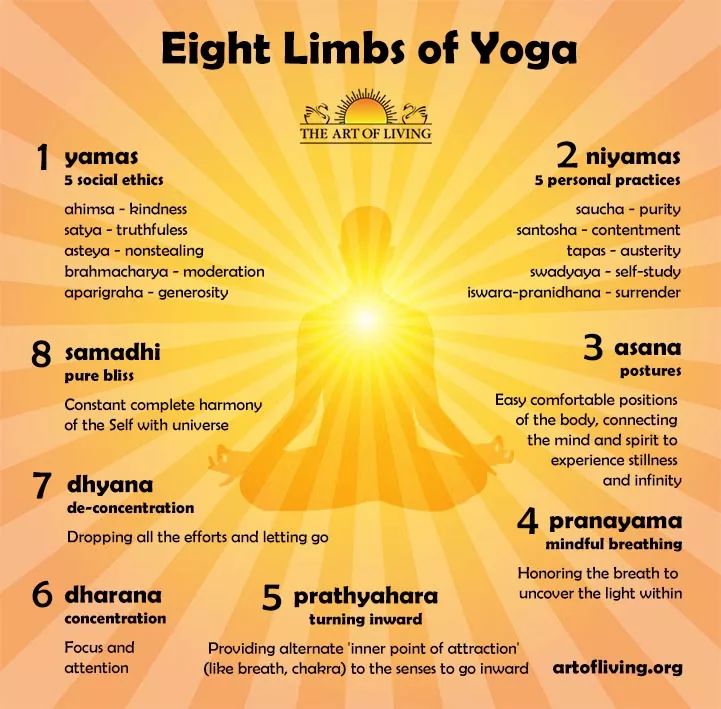
Table of Contents
This article covers everything you need to know. Indeed, we will explore each principle in detail. Therefore, you will learn what they mean. Furthermore, you’ll learn how to practice them daily.
First, we will discuss the five Yamas. Indeed, these are the ethical guidelines for interacting with the world. Then, we will explore the five Niyamas. Therefore, these are the personal practices that help us grow.
Each section includes practical tips. Consequently, you can start using these teachings right away. Moreover, no special equipment is needed. Instead, just an open heart and willingness to try.
What are the 5 Yamas?
The five Yamas are ethical principles for our behavior. Specifically, they guide how we treat other people, animals, and the environment. Therefore, these rules help create harmony in our relationships.
Following the Yamas prevents us from causing harm. Additionally, they keep us honest and fair. Consequently, when everyone follows these principles, communities become peaceful and supportive.
The Yamas are not just rules to memorize. Instead, they are practices to live by every single day. Therefore, each one requires attention and effort. However, the rewards are worth it.
The 5 Yamas are as follows:
The five Yamas form the first limb of yoga:
Ahimsa – Non-violence and kindness toward all living beings Satya – Truthfulness in thoughts, words, and actions Asteya – Non-stealing and respecting what belongs to others Brahmacharya – Wise use of energy and self-control Aparigraha – Non-possessiveness and letting go of greed
These five principles work together. Therefore, they create a strong foundation for spiritual growth. Now, let us explore each one in detail.
What is Ahimsa?
Ahimsa means non-violence. Indeed, it is the most important Yama. Therefore, this principle teaches us to avoid causing harm to any living creature.
Ahimsa goes beyond physical violence. Moreover, it includes our words and thoughts too. For instance, when we speak unkindly, we practice violence. Similarly, when we think negative thoughts about ourselves, we practice violence.
This principle asks us to be gentle. Therefore, we should treat all beings with compassion. Indeed, this includes people we do not like. Additionally, it includes animals, plants, and the earth itself.
Many people think Ahimsa only means avoiding fights. However, it means much more. Instead, it means choosing kindness in every situation. Therefore, even when someone treats us badly, we can respond with gentleness.
How to practice Ahimsa:
Practicing Ahimsa starts with small daily choices. Therefore, here are simple ways to bring this principle into your life:
- First, speak kindly to everyone you meet, including yourself
- Additionally, avoid gossip and negative talk about others
- Moreover, choose food that causes less harm to animals
- Furthermore, be gentle with your body during exercise
- Also, stop negative thoughts when they appear in your mind
- Similarly, help animals when they need assistance
- Plus, protect the environment through mindful choices
- Furthermore, forgive people who have hurt you
- Finally, use peaceful conflict resolution instead of anger
Start with one or two practices. Then, as they become habits, add more. Remember that perfection is not the goal. Instead, progress is what matters most.
What is Satya?
Satya means truthfulness. Therefore, this Yama teaches us to be honest in all situations. Indeed, truth creates trust between people. Consequently, it builds strong relationships.
Being truthful sounds simple. However, it can be challenging. Sometimes we lie to avoid trouble. Alternatively, other times we lie to protect feelings. Therefore, Satya asks us to find honest ways to handle these situations.
However, Satya must work with Ahimsa. Indeed, if the truth will cause harm, we must be careful. Therefore, we can be honest without being cruel. Moreover, the way we say something matters as much as what we say.
Living in truth also means being authentic. Therefore, we should not pretend to be someone we are not. Consequently, when we live honestly, we feel free and peaceful.
How to practice Satya:
Bringing truthfulness into daily life requires awareness and courage. Therefore, try these practical approaches:
- First, tell the truth even when it feels uncomfortable
- Additionally, admit your mistakes instead of hiding them
- Moreover, express your real feelings in kind ways
- Furthermore, keep your promises and commitments
- Also, be authentic about who you are
- Similarly, avoid exaggerating stories to impress others
- Plus, speak up when you see something wrong
- Furthermore, be honest about your limitations
- Finally, share information accurately without distortion
Begin by noticing when you tell small lies. Then, ask yourself why you felt the need to be dishonest. Therefore, practice choosing truth in those moments.
What is Asteya?
Asteya means non-stealing. Therefore, this Yama goes beyond taking physical objects. Indeed, it includes stealing time, ideas, credit, and opportunities from others.
When we arrive late, we steal people’s time. Similarly, when we take credit for someone else’s work, we steal recognition. Furthermore, when we waste resources, we steal from future generations.
Asteya also means not taking more than we need. Indeed, in a world with limited resources, this becomes very important. Therefore, we should use only our fair share.
This principle teaches contentment with what we have. Therefore, when we stop wanting what others possess, we find peace. Consequently, gratitude replaces jealousy and competition.
How to practice Asteya:
Practicing non-stealing involves respecting boundaries and resources. Therefore, here are ways to embrace this principle:
- First, arrive on time for meetings and appointments
- Additionally, give credit to people for their ideas
- Moreover, pay fair prices for goods and services
- Furthermore, return borrowed items promptly
- Also, use only your share of resources
- Similarly, respect other people’s belongings and space
- Plus, acknowledge sources when using information
- Furthermore, avoid taking unfair advantages
- Finally, be grateful for what you already have
Notice the subtle ways stealing appears in life. Then, make conscious choices to respect what belongs to others.
What is Brahmacharya?
Brahmacharya means wise use of energy. Indeed, traditional teachings often focus on celibacy. However, the modern understanding is broader. Therefore, this Yama asks us to use our energy wisely.
We have limited energy each day. Therefore, how we spend it matters greatly. Indeed, some activities drain us. In contrast, others fill us with vitality. Consequently, Brahmacharya helps us make better choices.
This principle includes moderation in all things. Indeed, too much of anything becomes harmful. For instance, whether it is food, entertainment, work, or even exercise. Therefore, balance is the key.
Brahmacharya also means directing energy toward meaningful goals. Therefore, when we waste time on empty activities, we lose opportunities for growth. Consequently, focused energy creates powerful results.
How to practice Brahmacharya:
Using energy wisely requires conscious choices. Therefore, consider these practices:
- First, limit mindless scrolling on phones and computers
- Additionally, practice moderation in eating and drinking
- Moreover, get enough sleep to restore your energy
- Furthermore, choose activities that energize rather than drain you
- Also, set boundaries in relationships to preserve your energy
- Similarly, focus on one task at a time
- Plus, take breaks when you feel tired
- Furthermore, pursue goals that truly matter to you
- Finally, balance work, rest, and play in your schedule
Start by tracking where your energy goes. Then, adjust your habits to align with your values and goals.
What is Aparigraha?
Aparigraha means non-possessiveness. Therefore, this Yama teaches us to let go of greed. Indeed, it asks us not to hoard things or cling to people.
Our culture encourages constant acquisition. Indeed, we always want more possessions, money, and achievements. However, this creates suffering. Therefore, we can never have enough when greed controls us.
Aparigraha brings freedom. Indeed, when we own fewer things, we have less to worry about. Moreover, when we stop clinging to people, relationships become healthier. Furthermore, when we release the need for specific outcomes, stress decreases.
This principle also applies to experiences and knowledge. Therefore, we should share what we know. Indeed, we should not hold information just for ourselves. Consequently, generosity flows from non-possessiveness.
How to practice Aparigraha:
Letting go of attachment creates space for peace. Therefore, try these approaches:
- First, donate items you no longer use or need
- Additionally, resist impulse purchases and unnecessary shopping
- Moreover, share your knowledge and skills freely
- Furthermore, accept change without clinging to the past
- Also, let go of grudges and old hurts
- Similarly, avoid hoarding money beyond reasonable savings
- Plus, release expectations about how things should be
- Furthermore, trust that you will have what you need
- Finally, appreciate experiences without needing to own them
Begin with small acts of letting go. Therefore, notice how freedom grows as attachment loosens.
What are the 5 Niyamas?
The five Niyamas are personal practices. Indeed, they guide our inner development. Therefore, while Yamas focus on external behavior, Niyamas focus on internal growth.
Following the Niyamas helps us become better versions of ourselves. Moreover, they create discipline and spiritual awareness. Consequently, these practices bring contentment and peace.
The Niyamas are not punishments or restrictions. Instead, they are gifts we give ourselves. Therefore, each one nurtures a different aspect of our being.
The 5 Niyamas are as follows:
The five Niyamas form the second limb of yoga:
Saucha – Cleanliness and purity of body and mind Santosha – Contentment and acceptance of what is Tapas – Self-discipline and inner fire for growth Svadhyaya – Self-study and inner exploration Isvara Pranidhana – Surrender to something greater than ourselves
These principles work together to cultivate inner peace. Moreover, they complement the Yamas perfectly. Therefore, together, they create a complete ethical framework.
What is Saucha?
Saucha means purity and cleanliness. Therefore, this Niyama applies to both body and mind. Indeed, when we keep ourselves clean, we feel better.
Physical cleanliness includes bathing regularly. Additionally, it means wearing clean clothes. Furthermore, it involves keeping our living spaces tidy. Therefore, these simple acts affect our mood and health.
Mental cleanliness matters just as much. Indeed, we need to clear our minds of negative thoughts. For instance, worry, anger, and jealousy pollute our mental space. Therefore, Saucha asks us to clean these away.
Environmental cleanliness also falls under this principle. Therefore, we should keep our surroundings clean. Indeed, this includes our homes, workplaces, and communities. Consequently, clean environments support clear thinking.
How to practice Saucha:
Creating purity in life involves both physical and mental practices. Therefore, here are practical ways to embrace cleanliness:
- First, maintain personal hygiene through regular bathing
- Additionally, keep your living space clean and organized
- Moreover, eat fresh, wholesome foods that nourish your body
- Furthermore, drink plenty of clean water throughout the day
- Also, clear clutter from your home and workspace
- Similarly, practice meditation to cleanse your mind
- Plus, avoid toxic relationships and negative influences
- Furthermore, spend time in nature to refresh your spirit
- Finally, choose clean, natural products when possible
Start with one area of your life. Then, as cleanliness becomes a habit, expand to other areas.
What is Santosha?
Santosha means contentment. Therefore, this Niyama teaches us to be happy with what we have. However, it does not mean giving up on goals. Instead, it means finding peace right now.
Our society promotes dissatisfaction. Indeed, advertisements tell us we need more. Moreover, social media shows us what others have. Therefore, this creates constant wanting. However, Santosha offers freedom from this trap.
Contentment comes from within. Therefore, it is not based on external circumstances. Indeed, we can feel content even when life is challenging. Consequently, this inner peace is a powerful gift.
Practicing Santosha does not mean accepting injustice. Indeed, we can work for positive change while feeling content. Therefore, the key is releasing attachment to specific outcomes.
How to practice Santosha:
Cultivating contentment requires shifting perspective. Therefore, consider these practices:
- First, start each day listing three things you appreciate
- Additionally, stop comparing yourself to other people
- Moreover, find joy in simple pleasures and small moments
- Furthermore, accept situations you cannot change with grace
- Also, focus on what you have instead of what you lack
- Similarly, celebrate small victories and progress
- Plus, spend less time on social media
- Furthermore, practice saying “I have enough” regularly
- Finally, find beauty in ordinary experiences
Contentment grows with practice. Therefore, each moment of gratitude strengthens this quality within you.
What is Tapas?
Tapas means self-discipline and burning enthusiasm. Therefore, this Niyama creates the fire needed for transformation. Indeed, it asks us to push beyond comfort zones.
The word Tapas comes from “tap” which means to burn. Therefore, through disciplined practice, we burn away impurities. Moreover, we develop strength and willpower. Consequently, this inner fire drives personal growth.
Tapas does not mean punishing ourselves. Instead, it means showing up consistently. For instance, whether we practice yoga, meditation, or healthy habits. Therefore, regular effort creates change.
This principle also brings passion to our lives. Indeed, when we pursue goals with dedication, we feel alive. Consequently, Tapas turns dreams into reality through sustained action.
How to practice Tapas:
Building discipline and dedication requires consistent effort. Therefore, try these approaches:
- First, create a regular practice schedule and stick to it
- Additionally, wake up early to accomplish important tasks
- Moreover, exercise regularly even when you do not feel like it
- Furthermore, complete challenging projects you have been avoiding
- Also, break bad habits through conscious effort
- Similarly, fast or eat mindfully to develop self-control
- Plus, study subjects that stretch your understanding
- Furthermore, pursue goals that require sustained effort
- Finally, push through discomfort to reach new levels
Start small with one disciplined practice. Then, as your inner fire grows, you can take on bigger challenges.
What is Svadhyaya?
Svadhyaya means self-study and inner exploration. Therefore, this Niyama asks us to know ourselves deeply. Indeed, we examine our thoughts, feelings, and behaviors.
Self-study includes reading spiritual texts. Indeed, ancient wisdom helps us understand life better. Moreover, books by enlightened teachers offer guidance. However, the most important text is our own mind.
Through Svadhyaya, we discover our patterns. Therefore, we notice what triggers our emotions. Moreover, we see our strengths and weaknesses clearly. Consequently, this awareness creates opportunities for growth.
Journaling is a powerful tool for self-study. Indeed, writing down thoughts reveals hidden truths. Similarly, meditation also helps us observe our inner world. Therefore, both practices deepen self-knowledge.
How to practice Svadhyaya:
Exploring your inner world requires honest reflection. Therefore, here are ways to practice self-study:
- First, keep a daily journal of thoughts and feelings
- Additionally, read spiritual and philosophical texts regularly
- Moreover, meditate to observe your mind without judgment
- Furthermore, reflect on your reactions to events
- Also, ask yourself why you behave certain ways
- Similarly, notice recurring patterns in your relationships
- Plus, seek feedback from trusted friends or mentors
- Furthermore, study your dreams for hidden messages
- Finally, question your beliefs and assumptions regularly
Make time for quiet reflection each day. Therefore, self-knowledge grows through consistent attention.
What is Isvara Pranidhana?
Isvara Pranidhana means surrender to a higher power. Therefore, this Niyama asks us to trust something greater than ourselves. Indeed, for some, this means God. Alternatively, for others, it means the universe or life itself.
Surrendering does not mean giving up. Instead, it means releasing the need to control everything. Therefore, we do our best, then trust the outcome. Consequently, this brings tremendous peace.
Life contains much we cannot control. Indeed, weather, other people’s choices, and unexpected events happen. Therefore, fighting reality creates suffering. In contrast, acceptance creates peace.
This principle also involves devotion. Indeed, when we dedicate our actions to something greater, they become meaningful. Therefore, work transforms from duty to service. Consequently, life becomes a spiritual practice.
How to practice Isvara Pranidhana:
Surrendering to something greater requires trust. Therefore, consider these practices:
- First, begin each day with prayer or intention setting
- Additionally, release worry by trusting in a higher plan
- Moreover, dedicate your work and actions to serving others
- Furthermore, accept outcomes without attachment to results
- Also, find meaning in challenges and difficulties
- Similarly, practice gratitude for all experiences
- Plus, let go of the need to control everything
- Furthermore, trust that things unfold as they should
- Finally, spend time in nature feeling connected to all life
Surrender grows gradually through practice. Therefore, each time you let go, trust becomes stronger.
Conclusion
Yamas and Niyamas provide a complete guide for living well. Indeed, these ten principles work together to create harmony. Therefore, they help us treat others with kindness. Moreover, they help us develop inner strength and peace.
Starting a practice with these principles does not require perfection. Instead, choose one or two that resonate with you. Therefore, practice them daily. Then, as they become natural, add more principles to your life.
Remember that these teachings are thousands of years old. Indeed, they have helped countless people find peace and purpose. Moreover, they remain relevant today because they address universal human challenges.
Your journey with Yamas and Niyamas is personal. Therefore, what works for someone else might not work for you. Consequently, experiment with different practices. Indeed, find your own way to live these principles.
The beauty of these teachings is their simplicity. Indeed, they do not require special tools or expensive classes. Therefore, you can practice them anywhere, anytime. Consequently, they transform ordinary life into spiritual practice.
As you embrace Yamas and Niyamas, you will notice changes. First, relationships improve. Additionally, inner peace grows. Furthermore, life becomes more meaningful. Indeed, these are the natural fruits of ethical living.
Start today with one small practice. For instance, perhaps choose Ahimsa and speak one kind word. Alternatively, try Santosha and list three things you appreciate. Indeed, small steps create lasting change.
Frequently Asked Questions
Q1: Do I need to be religious to practice Yamas and Niyamas?
No, you do not need to follow any religion. Indeed, while they come from yoga philosophy, they are universal ethical guidelines. Therefore, people of all beliefs can benefit. Moreover, they simply teach kindness, honesty, and self-improvement.
Q2: Should I try to practice all ten principles at once?
It is better to start with one or two principles. Indeed, trying to change everything at once can feel overwhelming. Therefore, choose the principles that speak to you most strongly. Then, practice them until they become natural. Eventually, gradually add more to your daily life.
Q3: What if I make mistakes while practicing these principles?
Mistakes are a normal part of learning. Indeed, nobody practices these principles perfectly all the time. Therefore, when you notice you have strayed, simply return to it. Moreover, be kind to yourself. Indeed, each moment offers a new opportunity to practice.
Q4: How long does it take to see benefits from practicing Yamas and Niyamas?
Some benefits appear quickly. For instance, you might feel calmer after just a few days. However, other changes take longer to develop. Indeed, deep transformation happens gradually over months and years. Therefore, the key is consistent practice without expecting immediate results.
Q5: Can children learn and practice Yamas and Niyamas?
Yes, these principles work wonderfully for children. In fact, children often understand them more easily than adults. Therefore, you can teach kids about kindness and truthfulness using simple language. Consequently, these lessons help children develop strong character from an early age.