
What is a Somatic Workout?
A somatic workout is a gentle form of exercise. It focuses on moving with awareness. Interestingly, the word somatic comes from Greek. It means “living body.”
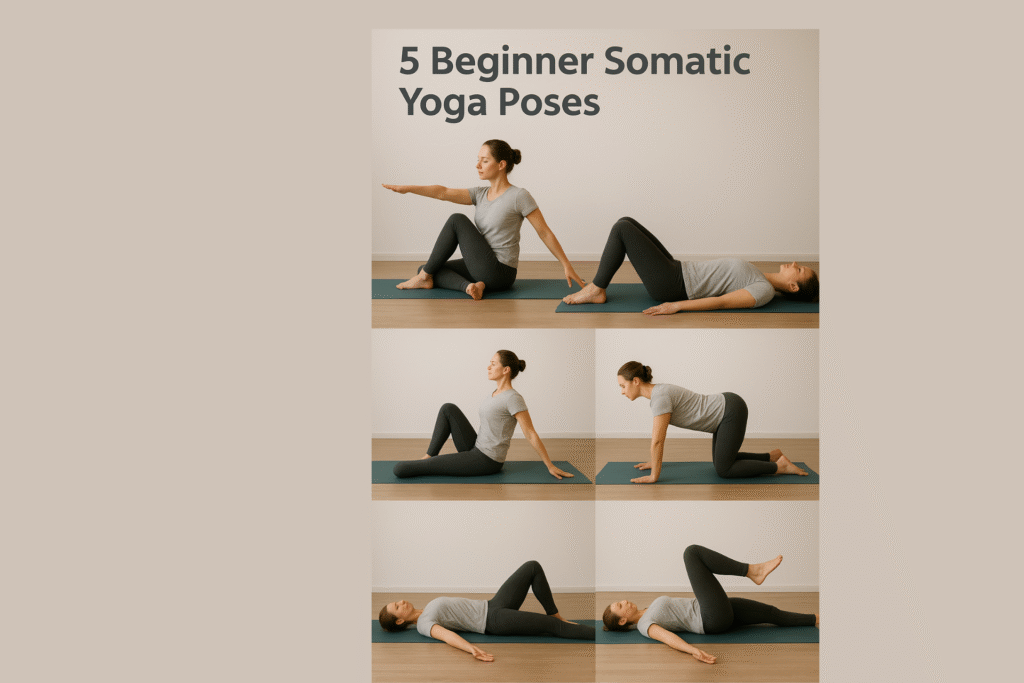
Regular workouts push for more reps and heavier weights. However, somatic exercise takes a different approach. Instead, it helps you reconnect with your body. You use slow, mindful movements. As a result, your brain and muscles learn to work together better.
Common Problems It Fixes
Many people carry tension without knowing it. For instance, tight shoulders are common. Stiff necks and lower back pain are also frequent issues. These problems come from stress and daily habits. Fortunately, somatic workouts can help. Moreover, they retrain your nervous system.
How It Works
During practice, you do moves slowly. You give them full attention. Consequently, your brain starts to let go of old patterns. Healthier habits form.
Additionally, somatic workouts include different types. These include somatic yoga, the Feldenkrais Method, and Hanna Somatic Education. Despite their differences, all share a common goal. Furthermore, they help you move with less pain and more freedom.
Internal Focus vs External Look
Most fitness classes focus on how poses look. However, somatic workouts are different. Instead, they emphasize how you feel inside. Therefore, this internal focus makes them unique.
What is Somatic Movement?
Somatic movement is physical activity done with awareness. When practicing, your attention shifts. It moves from how you look to how you feel. As a result, this creates a powerful connection. Your mind and body link together.
What You Learn
Through practice, you learn to notice subtle feelings. These might have been ignored for years. In particular, tensions become clear. Movement patterns appear.
The Origins
Thomas Hanna created this practice. He studied muscle tension extensively. Interestingly, he found that muscles get stuck in a tight state. Stress causes this. Additionally, injury and repetitive activities contribute too.
Eventually, your nervous system forgets how to release these muscles. However, somatic movement helps retrain it. It uses gentle, exploratory movements.
The Non-Judgmental Way
During practice, there is no right or wrong approach. Instead, each person moves at their own pace. Comfortable ranges are respected.
Rather than focusing on achievement, the emphasis is on curiosity. Self-discovery matters most. Consequently, this makes it accessible. Even people with chronic pain can benefit. Similarly, those with limited mobility find value.
The Benefits of a Somatic Workout
Physical Benefits
Somatic workouts offer many physical benefits. With regular practice, muscle tension reduces. Pain decreases. In fact, many people feel relief. Lower back pain improves. Furthermore, neck stiffness eases. Shoulder tension melts away.
Additionally, gentle movements increase flexibility. Your body is not forced beyond its limits.
Better Posture
Improved posture is another big benefit. Your nervous system lets go of old patterns. Consequently, your body naturally returns to better alignment. You stand taller. Moreover, sitting becomes more comfortable. Better posture reduces strain. Both joints and muscles feel better.
Better Coordination
Somatic workouts also improve body awareness. Coordination gets better too. Through slow movements, different body parts learn to work together. In turn, they become more efficient. Therefore, daily activities become easier. Injury risk decreases.
In fact, many athletes use somatic practices. Specifically, they refine their movement patterns.
Mental and Emotional Benefits
The mental benefits are equally impressive. So are the emotional benefits. Specifically, the practice reduces stress naturally. Anxiety decreases too. It activates your relaxation system. This system handles rest and calm.
During movements, breathing deepens. Heart rate slows down. As a result, calmness develops. It spreads through your body and mind.
Emotional Release
Many practitioners report feeling more grounded. Similarly, they feel more present. Additionally, the internal focus helps quiet mental chatter. Worry fades. Therefore, this makes somatic movement effective for managing emotional stress.
Furthermore, you learn to process emotions. These emotions live in your body. Physical tension often stores them.
Better Sleep
Improved sleep is another notable benefit. Physical tension goes away. Stress reduces. Consequently, this creates good conditions for rest. In fact, some people use gentle movements at bedtime. This prepares both body and mind for sleep.
Long-Term Wellness
Regular practice supports long-term wellness. Body awareness improves. This leads to healthier choices. Additionally, you start to notice when tension builds. You can release it before pain develops.
Consequently, this makes somatic movement valuable. It helps maintain health as you age.
Stronger Nervous System
The practice also supports your nervous system. Resilience grows. By practicing regularly, you strengthen connections. These connect your brain and body. As a result, your nervous system handles stress better. Greater resilience develops in both physical and emotional life.
Five Beginner Somatic Yoga Poses
Here are five beginner poses. Try them in your next workout.
1. Three-Part Breath
Three-Part Breath is also called Dirga Pranayama. It is a basic somatic practice. It brings awareness to your breathing. This technique divides each breath into three parts. Different lung areas fill one by one.
Moreover, the practice calms your nervous system. It prepares your body for deeper work.
Why This Breath Matters
Many people breathe in a shallow way. Similarly, they use only the upper chest. Unfortunately, this increases stress. It limits oxygen intake. However, Three-Part Breath retrains your body. It teaches you to breathe fully and deeply.
Consequently, the diaphragm activates. Your entire breathing system engages. With regular practice, lung capacity improves. Anxiety feelings reduce.
Easy to Access
The beauty of this practice lies in its simplicity. Indeed, everyone can do it. Fitness level doesn’t matter. Flexibility doesn’t matter either. Additionally, no special gear is required. No special clothing is needed.
Furthermore, you can practice seated, lying down, or standing. This makes it ideal for beginners.
How To Do It
First, find a comfortable position. Lie on your back or sit upright. Then, close your eyes gently. You can also soften your gaze. Next, place one hand on your belly. Put the other on your chest. This helps you feel breath movement.
Begin by breathing out completely through your nose. Then, breathe in slowly. First, fill your lower belly with air. Notice your lower hand rising. Your belly expands.
Next, keep breathing in. Fill your middle chest area. Feel your ribcage expanding to the sides. Finally, fill your upper chest near the collarbones. Your upper hand rises slightly.
After pausing briefly at the top, breathe out slowly. Do this in reverse order. First, release air from your upper chest. Then your middle chest. Finally your belly. Draw your navel gently toward your spine. This completes one full cycle.
Practice Tips
Start with five to ten cycles. Slowly increase over time. Meanwhile, keep the breath smooth and flowing. Don’t force it. Additionally, try to match the length of breathing in and out. This creates balance. Notice any areas that feel tight. Practice daily for best results.
2. Spine Movement
Spine Movement is a somatic exercise. It gently moves each back bone. This releases tension from sitting, standing, and repetitive actions. Furthermore, the slow motion restores natural spinal flexibility. Overall back health improves too.
How Your Spine Moves
Your spine is designed to move fluidly. It can move in many directions. However, modern life often limits this natural movement. Long hours at desks create problems. Similarly, looking at phones causes issues.
Fortunately, Spine Movement fixes these effects. It encourages each back bone to move on its own. Although this pattern is often lost in adults, it can be relearned. Practice helps.
Helps Back Pain
This exercise helps people with lower back discomfort. The gentle rolling motion massages muscles along your spine. It also increases blood flow to spinal discs. Since these discs need movement for nutrition, regular practice can reduce back pain significantly. Overall spinal health improves.
How To Do It
To begin, lie on your back. Bend your knees. Place your feet flat on the floor. Keep them hip-width apart and parallel to each other. Meanwhile, let your arms rest beside your body. Your palms face down.
Take several deep breaths. This helps you settle in. It releases surface tension.
Next, start by gently tilting your pelvis. Your lower back presses toward the floor. Engage your lower belly muscles. Don’t create tension. Then, slowly lift your tailbone. Lift your pelvis off the floor.
Continue lifting one back bone at a time. Start from the base of your spine. Imagine peeling your spine off the floor. Move slowly enough to feel each bone lifting. Keep going until you reach a comfortable bridge. Your body should form a straight line from shoulders to knees.
Hold the top position for a breath or two. Then, reverse the movement with control. Lower your spine one back bone at a time. Start from your upper back. Work through your middle back. Continue to your lower back. Finally, return your tailbone to the floor. Rest completely before repeating.
Practice Tips
Do three to five repetitions. Focus on slow, controlled movement. Never force the range. Don’t create pain. Meanwhile, keep shoulders relaxed. Breathe continuously. Don’t hold your breath. Notice which areas move easily. Also notice which feel stuck.
3. Windshield-Wipers
Windshield-Wipers is a gentle exercise. It releases tension from your hips, lower back, and legs. As the name suggests, the movement looks like car windshield wipers. Similarly, they move back and forth.
Moreover, this simple practice helps find tension patterns. These patterns hide in your hip area.
Why Hip Release Matters
Many people store stress in their hips. Similarly, they store physical tension there too. Subsequently, tight hip muscles can cause lower back pain. Movement becomes limited. Fortunately, Windshield-Wipers helps with this. It uses gentle, exploratory movement.
Additionally, the practice allows your nervous system to release deep tension. It does this slowly. There’s no force or strain.
Better Hip Movement
This exercise is great for improving hip mobility. Flexibility gets better. Hip rotation improves too. Consequently, athletes find great value in this practice. Dancers and yoga practitioners benefit similarly.
Furthermore, the exercise prepares your hips. It gets them ready for harder movements. Injury risk goes down.
How To Do It
To start, lie on your back. Bend both knees. Place your feet flat on the floor. Position your feet wider than hip-width apart. About mat-width distance works well.
Meanwhile, let your arms rest comfortably beside your body. Your palms can face down or up. Choose what feels natural.
Slowly let both knees drop to the right side together. Move only as far as feels comfortable. Don’t force it. Your left hip will lift off the floor slightly.
Pause here. Notice any sensations in your hips, lower back, and legs. Take one or two breaths.
Then, slowly bring both knees back to center. Use control, not momentum. After pausing briefly at center, let both knees drop to the left side. Use the same gentle awareness.
This time, your right hip will lift slightly. Continue moving your knees from side to side. Move them like windshield wipers.
Important Tips
Move slowly. Never rush the movement. Start with small movements. Gradually increase range if comfortable. Notice any differences between right and left sides. Do ten to fifteen repetitions on each side. Stop right away if you feel sharp pain. Focus on smooth, flowing movement. Don’t hold positions.
4. Human X
Human X is a full-body movement. It creates length and space throughout your body. The exercise gets its name from the X-shape your body forms. You make this shape during practice.
Furthermore, this movement releases overall body tension. Body awareness improves. Coordination gets better too.
Full-Body Work
Unlike isolated exercises, Human X engages muscles from head to toe. It uses a coordinated pattern. Consequently, this whole-body approach reduces built-up stress well. Many people find this exercise energizing. At the same time, they find it calming.
Additionally, the stretching feels satisfying. It’s not intense. It’s not uncomfortable.
Helps Desk Workers
This exercise helps people who sit in the same position for long hours. Office workers benefit greatly. Drivers and students also see improvements. The movement fixes the compression from sitting too long. It also fixes the folding.
Therefore, it brings back natural body length. It creates space in your joints.
How To Do It
First, lie on your back on a comfortable surface. Use a yoga mat or carpet. Reach your arms overhead along the floor. Your palms face up.
Next, straighten your legs. Let them fall slightly apart naturally. Your body should now form an X-shape. This is when viewed from above.
Begin by breathing in deeply. Imagine growing longer through your fingertips and toes at the same time. Gently reach in opposite directions. Don’t create strain or tension.
Instead of forcing maximum stretch, focus on the feeling of lengthening. Feel your entire front body opening. Feel it expanding.
On the exhale, keep the length. At the same time, release any extra tension. Continue breathing deeply for five to ten breath cycles.
With each inhale, explore small increases in length. With each exhale, release any gripping in your muscles. Let go of any holding.
Changes You Can Make
If straight legs are uncomfortable, bend your knees slightly. Similarly, if overhead position strains your shoulders, lower your arms. For variety, try reaching opposite arm and leg diagonally. Additionally, add gentle side-to-side movements. These help you explore different angles. Practice for thirty seconds to two minutes based on comfort. Notice which body areas resist lengthening.
5. Neck Rolls
Neck Rolls are a classic movement. Moreover, they release tension from your neck, shoulders, and upper back. This area holds a lot of stress for most people. Poor posture causes this. Emotional tension also contributes.
Furthermore, gentle neck movements bring back mobility. Additionally, they reduce headaches caused by muscle tightness.
Why Necks Get Tight
Your neck contains seven small bones. These allow a wide range of motion. However, stress can limit this natural movement. Poor posture also restricts it. Subsequently, tight neck muscles squeeze nerves. Blood flow becomes restricted.
Unfortunately, this leads to headaches. It causes shoulder pain. It can even cause arm numbness. However, regular Neck Rolls help keep your neck healthy.
Be Gentle
This exercise needs special attention to gentleness. Awareness matters too. Your neck is delicate. It should never be forced. Consequently, somatic Neck Rolls are done slowly. You give complete attention to sensation.
Therefore, this careful approach keeps you safe. It gives maximum benefit for releasing chronic tension.
How To Do It
To begin, sit comfortably in a chair. Alternatively, you can sit on the floor. Keep your spine neutral. Let your shoulders relax down. Move them away from your ears.
Take several deep breaths to center yourself. Bring awareness to your neck area. Notice any existing tension or discomfort. Do this before you begin moving.
First, gently lower your right ear toward your right shoulder. Move slowly. Only go as far as feels comfortable without pain. Hold this position for two to three breaths.
Notice the stretching feeling along your left neck side. Then, slowly return your head to center.
Next, lower your left ear toward your left shoulder. Use the same gentle awareness. Hold for two to three breaths. Observe the sensations.
After returning to center, gently lower your chin toward your chest. This creates length along your back neck. Hold for a few breaths before returning to neutral.
For the rolling part, slowly trace a half-circle with your head. Move from one shoulder to the other. Go through the front. Importantly, do not drop your head backward. Reverse direction after several repetitions.
Complete three to five slow rolls in each direction.
Safety Tips
Never roll your head backward in full circles. This squeezes your neck. Move very slowly with complete awareness. Additionally, stop right away if dizziness happens. Stop if sharp pain occurs. Keep shoulders relaxed throughout. Breathe continuously during practice. Breathe deeply. For chronic neck tension, practice multiple times daily.
Online Yoga Teacher Training
For those interested in learning more, professional training programs offer complete education. Moreover, they cover both the philosophy of somatic ideas and practical use.
Additionally, students learn not only for personal practice but also to guide others safely and well.
200 Hour Online Training
The 200 Hour Online Yoga Teacher Training gives basic knowledge. It’s designed for people wanting to become yoga teachers. This program covers essential yoga philosophy. It covers anatomy, and it also delves into teaching methods. Beyond that, the training introduces key practical skills
What You’ll Learn
Furthermore, students get complete training in different yoga styles. This includes parts of somatic movement. Typically, the course includes teaching on breathing techniques. It includes meditation and alignment principles.
Certification and Format
This certification level lets graduates teach yoga classes. Specifically, they can teach in most studios and fitness centers. Moreover, the online format lets students complete work at their own pace.
Meanwhile, live virtual sessions give chances for real-time feedback. Students can ask questions. Many programs include specific segments about somatic awareness. Additionally, they cover mindful movement practices.
300 Hour Online Training
The 300 Hour Online Yoga Teacher Training is an advanced program. It’s designed for certified yoga teachers. This middle-level training deepens understanding of yoga philosophy. It covers advanced anatomy and special teaching skills.
Additionally, the course often includes deep study. This covers healing uses and somatic movement principles.
Advanced Skills
Students explore advanced planning. Similarly, they study energy work and refined teaching methods. Consequently, the program prepares teachers to work with special groups. Teachers learn to address specific health concerns.
Furthermore, many courses include training in restorative practices. Somatic techniques are also covered. Therefore, graduates can offer more specialized classes. Workshop opportunities also become available to their communities.
500 Hour Online Training
The 500 Hour Online Yoga Teacher Training represents the highest standard. It’s the highest in yoga teacher certification. This complete program combines both 200-hour content and 300-hour training content.
Comprehensive Education
Moreover, students get extensive education. This covers all parts of yoga practice and teaching. The course includes deep dives into somatic movement. It covers healing uses and advanced teaching methods.
Professional Chances
This level of certification opens doors. Graduates can teach advanced classes. Additionally, they can lead teacher training programs. Graduates have the knowledge and skills to work safely with different groups.
Meanwhile, the training focuses on personal growth and professional development. Many programs include mentoring parts. Furthermore, they offer chances for supervised teaching practice.
Conclusion
Somatic workouts offer a gentle yet powerful way. Moreover, they improve both physical and mental wellbeing. Through slow, mindful movements, people can release chronic tension. Reconnection with the body happens naturally.
Summary of Benefits
The five beginner somatic yoga poses shown here give an easy entry point. Furthermore, they lead into this life-changing practice. These movements need no special equipment. Additionally, they can be practiced almost anywhere.
Long-Term Benefits
The benefits of regular somatic practice go far. Moreover, they extend beyond the time spent on the mat. Improved body awareness carries into daily life. This lets people move with more ease. Pain decreases significantly.
Furthermore, the stress-reducing effects support better emotional health. Sleep quality improves. Over time, regular practice prevents chronic pain. It keeps mobility throughout the aging process.
Getting Started
Starting a somatic movement practice is simple. It needs only a commitment to showing up. Begin with just five to ten minutes daily. Use the poses described in this article.
Instead of trying to achieve perfect form, pay attention to how your body feels. Remember that somatic movement is about internal experience. It’s not about external looks.
Your Journey Forward
As awareness grows through regular practice, so does the ability to live with less pain. You gain more freedom. Your nervous system learns new patterns. These patterns support health and vitality.
Therefore, whether practiced alone or combined with other forms of exercise, somatic workouts give valuable tools. Moreover, they support lifelong wellness. Ultimately, the journey of reconnecting with your body through somatic movement is rewarding. It’s one of the most rewarding investments anyone can make.
Frequently Asked Questions
Q1: How often should I practice as a beginner?
Beginners should aim to practice for ten to fifteen minutes daily. This gives the best results. Consistency matters more than duration when starting out.
In fact, even five minutes each day creates positive changes. These happen in your nervous system. As comfort increases, sessions can slowly extend to twenty or thirty minutes. Listen to your body. Avoid pushing too hard too quickly.
Q2: Can somatic workouts help with chronic pain?
Yes, somatic workouts are very effective for chronic pain conditions. The gentle movements help retrain your nervous system. Furthermore, they release tension patterns that cause pain.
Many people feel significant relief. This comes from conditions like back pain, neck stiffness, and headaches. However, somatic movement should add to medical treatment. It should not replace it. This applies to serious conditions. Always talk with healthcare providers about lasting or severe pain.
Q3: Do I need special equipment?
Most somatic yoga poses need minimal equipment. This makes them very accessible. A yoga mat or soft surface gives comfort during floor-based movements.
Additionally, a cushion or folded blanket can support seated positions. Comfortable clothing is recommended. It should allow free movement. However, no expensive equipment is necessary. Similarly, no gym membership is needed to practice somatic workouts well.
Q4: What is the difference between regular yoga and somatic yoga?
Regular yoga often focuses on achieving specific poses. It also focuses on building strength or flexibility. In contrast, somatic yoga focuses mainly on internal awareness. It works on releasing nervous system and muscle patterns.
Furthermore, movements in somatic yoga are usually slower. Similarly, they are smaller than traditional yoga. The goal is retraining your nervous system. It’s not perfecting external form. Nevertheless, both practices offer valuable benefits. Moreover, they can work together beautifully.
Q5: Can children practice somatic movements?
Yes, children can benefit greatly from somatic movement practices that fit their age. The movements help children build body awareness. Additionally, they support emotional control skills.
Simple exercises are right for young people. These include Three-Part Breath and gentle stretches. However, keep sessions short and playful. This keeps interest. Consequently, somatic movement can support healthy growth. It supports stress management throughout childhood.