
Yoga is popular around the world. Millions practice it each day. Moreover, many types exist. Each has unique features.
This guide explains different yoga styles. It works for beginners. It also works for experts. So, let’s explore together. You’ll find your perfect practice.
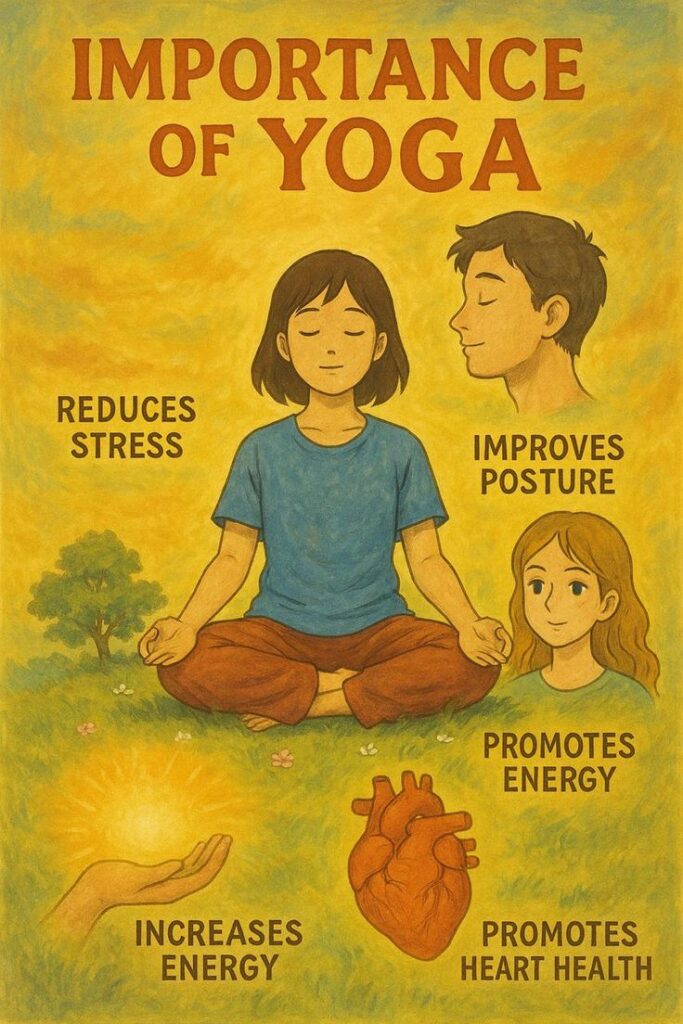
What Are the Different Types of Yoga?
Yoga began in India long ago. Over time, teachers made new styles. As a result, many options exist today.
Some types are fast. They build strength. In contrast, others focus on rest. Furthermore, some use special tools. Others need just a mat.
Everyone can find a good style. For instance, young people benefit. Older adults do too. Additionally, pregnant women can practice safely. Each type offers something special.
Knowing the styles helps you choose. Perhaps you want strength. Or you may need less stress. Therefore, this article will guide you.
Vinyasa Yoga
Introduction and History
Vinyasa yoga is very popular. The word means “to place specially.” It links breath with movement.
This style has old roots. However, it became famous in the 1900s. Teachers wanted lively practice. They changed Ashtanga yoga. They added more freedom.
Today, many studios offer Vinyasa. However, each class differs. It depends on the teacher. Every session feels fresh.
Class Structure
Classes last 45 to 90 minutes. First, you warm up gently. Next, breathing starts.
The main part has flowing moves. These are called “flows.” You move from pose to pose. You match your breath. Meanwhile, teachers guide your timing. It feels like dancing.
Common sequences include Sun Salutations. After that, classes end with cool-down. Rest follows. This is called Savasana. You rest quietly during this time.
Benefits
Vinyasa yoga offers many benefits. Specifically, it builds heart fitness. It makes muscles stronger. Additionally, flexibility improves. Balance gets better. Furthermore, stress goes down. Calories burn. Finally, mental focus grows.
Regular practice makes you stronger. As a result, you feel more centered. Moreover, sleep improves. Energy levels rise. Overall, wellness grows.
Practice Tips
Starting is easy. Simply look for beginner classes. Many studios offer them. Online sites have them too.
Arrive early to your first class. Then, meet the teacher. Get helpful tips. Don’t worry about keeping up. Instead, focus on your breath.
Wear comfy clothes. Also, bring a mat and water. Listen to your body. Rest when needed.
Yin Yoga
Introduction and History
Yin yoga is slow and calm. It focuses on deep stretching. Poses last longer than other styles. Typically, you hold them three to five minutes.
Paulie Zink made it in the 1970s. Later, others made it popular. They added Chinese Medicine ideas.
Yin means stillness. Yang means activity. Therefore, Yin balances active lives well.
Class Structure
Classes move slowly. They last 60 to 90 minutes. They include only 8 to 12 poses.
Students use props for support. For example, bolsters help. Blankets give comfort. Teachers guide you to find comfort first. Then, you stay still. Gravity makes the stretch deeper.
Between poses, you rest. Notice how your body feels during this time. Finally, classes end with long rest.
Benefits
Yin yoga gives unique benefits. Specifically, flexibility grows safely. Joint health improves. Additionally, deep rest happens. Body tension goes down. Furthermore, blood flow gets better. Mindfulness grows. Consequently, energy balances. Recovery speeds up.
Many athletes use Yin yoga. This is because it balances their training. Deep stretching stops injuries. Recovery speeds up too.
Practice Tips
Yin suits all ages. All fitness levels work. The practice is gentle. So beginners join safely.
Be patient when starting. Long holds may feel strange. But stillness is the practice itself. Allow time to settle.
Make a peaceful space. Use dim lighting. Find a quiet area. Many practice Yin in evening. This is because it helps them unwind.
Restorative Yoga
Introduction and History
Restorative yoga is deeply relaxing. It turns on natural healing. This gentle style uses many props. So your body gets full support.
B.K.S. Iyengar started this practice. Later, Judith Hanson Lasater made it better. She brought it to the West in the 1970s.
Restorative draws from old wisdom. But it fits modern needs. Now, many doctors suggest it.
Class Structure
Classes include only 4 to 6 poses. Sessions last 60 to 90 minutes. Each pose is held 10 to 20 minutes. Deep rest occurs.
Teachers set up props carefully. These include bolsters and blankets. They add blocks and eye pillows. The setup takes time. But you feel fully comfy.
Teachers guide gently throughout class. Sometimes, soft music makes peace. Alternatively, silence works too. Overall, it feels like a restful nap.
Benefits
Restorative yoga offers powerful benefits. First, your nervous system relaxes deeply. Then, sleep quality improves. Healing happens. Additionally, blood pressure goes down. Anxiety drops. Furthermore, immune function grows. Body awareness goes up. Finally, emotional release happens.
Many use it for ongoing pain. Deep rest releases tension. So life quality improves.
The Difference Between Yin and Restorative
Both styles are slow. However, they differ a lot. They serve different purposes.
Yin makes moderate tissue stress. So flexibility grows. You feel stretching during practice. This is because deeper tissue gets worked.
In contrast, Restorative removes all stress. Your body gets full support. No stretch occurs. Pure rest is the goal.
Think of Yin as active stretching. Meanwhile, Restorative is like a restful nap. Both are valuable. Yet they serve different purposes.
Prenatal Yoga
Introduction and History
Prenatal yoga is made for pregnant women. It changes traditional poses. So this gentle style fits changing bodies. Physical health gets support. Emotional wellbeing improves too.
Pregnant women practiced yoga for centuries. However, modern Prenatal yoga grew in the 1900s. Doctors saw benefits then. Teachers made safe changes.
Today, doctors often suggest Prenatal yoga. Midwives do too. Many hospitals offer classes. Women have healthier pregnancies.
Class Structure
Classes last about 60 minutes. All trimesters are welcome. Sessions start with check-ins. Students share their feelings.
The practice includes changed poses. You avoid lying on your belly. You also avoid lying flat on your back. Instead, teachers focus on safe movements.
Breathing exercises are central. Students learn pain management. They learn how to stay calm. Finally, classes end with side-lying rest.
Benefits
Prenatal yoga gives many advantages. For instance, pregnancy discomfort drops. Sleep quality improves. Additionally, labor muscles get stronger. Breathing methods are taught. Furthermore, stress levels drop. Community builds. Moreover, blood flow improves. Childbirth prep happens.
Research shows good results. Women have shorter labors. Problems drop too. As a result, confidence grows.
Practice Tips
Always ask your doctor first. Most doctors approve Prenatal yoga. But situations vary. Professional guidance matters.
Once cleared, look for Prenatal classes. Find certified teachers. This is because regular classes may be unsafe. Specialized teachers understand better.
Bring extra props. Pillows work well. Blankets add comfort. Stay well hydrated. And most importantly, listen to your body.
Iyengar Yoga
Introduction and History
Iyengar yoga is precise. It focuses on alignment. B.K.S. Iyengar made this method. Perfect positioning gets stressed. Props help students too.
Iyengar began in the 1930s. He refined it throughout his life. He wrote important books. “Light on Yoga” became famous worldwide. Yoga became more accessible.
Today, Iyengar yoga is practiced globally. Certified teachers maintain high standards. His legacy continues inspiring people.
Class Structure
Classes stress quality over quantity. Fewer poses are taught. But each pose is held longer. Classes last 60 to 90 minutes.
Teachers give detailed instructions. They demonstrate carefully. They offer personal adjustments. The teaching is quite precise.
Props are used a lot. For example, blocks help positioning. Straps assist reach. Students align properly. So current flexibility doesn’t limit anyone.
Benefits
Iyengar yoga offers unique benefits. Specifically, posture improves a lot. Even strength builds. Additionally, flexibility grows safely. Pain drops. Furthermore, body awareness grows. Therapeutic benefits happen. Moreover, focus improves. Future injuries get stopped.
Many use it for therapy. Specific problems improve. Such as back pain dropping. Joint issues get better. Physical therapists suggest this style often.
Aerial Yoga
Introduction and History
Aerial yoga is modern and creative. It uses a suspended hammock. The hammock supports you. But it also challenges you.
Christopher Harrison made this practice. He was a gymnast. Development happened in the 2000s. Since then, other teachers made their versions.
Aerial yoga represents creative evolution. Initially, some purists questioned it. However, many found unique benefits. Now, it’s popular with younger students.
Class Structure
Classes begin with safety instruction. Teachers show hammock use. They demonstrate safe entry. Then, simple movements are shown.
The class includes various poses. Supported poses are practiced. Inversions are tried. Additionally, balancing positions are explored. Some time is spent suspended.
Classes end with deep rest. Here, students cocoon themselves. Peaceful space is made. Many students love this part.
Benefits
Aerial yoga gives exciting benefits. First, the spine decompresses. Upper body strength builds. Then, core stability improves. Flexibility grows. Additionally, body awareness grows. Fun and variety happen. Furthermore, confidence grows. Natural traction occurs.
Many achieve inversions they couldn’t do before. This is because the hammock makes this possible. Advanced poses become accessible. Playful nature reduces stress too.
Children’s Yoga
Introduction and History
Children’s yoga changes traditional practices. It’s made for young people. This engaging style uses games. Imagination plays a big role.
Children in India learned yoga for centuries. However, modern programs grew in the 1900s. Teachers saw clear benefits then. Programs expanded in schools.
Today, Children’s yoga addresses modern challenges. Screen time is too much. Academic pressure is high. Therefore, the practice gives essential tools.
Class Structure
Children’s classes differ from adult classes. Sessions are shorter. They last 30 to 45 minutes. This matches attention spans. The mood is lively.
Teachers use creative themes. For example, a class might explore jungle. Or outer space. Underwater worlds are fun too. Poses get playful names.
Games keep kids engaged. Partner activities work well. Music makes practice playful. Finally, brief rest at the end helps.
Benefits
Children’s yoga offers valuable benefits. Specifically, fitness and coordination improve. Body awareness grows. Additionally, emotional control is taught. Focus gets better. Furthermore, self-confidence builds. Stress management tools are given. Moreover, creativity is encouraged. Social skills grow.
Research shows good results. Children show better behavior. School performance improves. As a result, anxiety drops too.
Ashtanga Yoga
Introduction and History
Ashtanga yoga is tough. It follows a specific sequence. This traditional practice combines breath and movement. The format is athletic.
- Pattabhi Jois made the modern system. He worked in Mysore, India. He learned from his teacher. Eventually, Western students brought Ashtanga to Europe.
“Ashtanga” means “eight limbs” in Sanskrit. However, most people link it with this vigorous style. The practice has inspired many styles.
Class Structure
Ashtanga follows a set sequence. The sequence never changes. The Primary Series includes about 75 poses. Students practice the same sequence always.
Traditional classes follow “Mysore style.” Here, students practice at their own pace. Teachers give personal guidance. Alternatively, led classes are common too.
The practice is physically demanding. A lot of heat is made. Sweating is heavy. Finally, classes end with closing sequence.
Benefits
Ashtanga yoga gives powerful benefits. Specifically, exceptional strength builds. Heart fitness grows. Additionally, mental discipline grows. Flexibility improves. Furthermore, moving meditation is made. A lot of calories burn. Moreover, confidence builds. Daily routine gets set.
The set sequence allows progress tracking. As months and years pass, impossible poses become doable. Many students develop deep practice.
Hot Yoga
Introduction and History
Hot yoga is practiced in heated rooms. Temperatures range from 95 to 105 degrees. The heat makes students sweat heavily. So flexibility grows.
Bikram Choudhury made hot yoga popular. This happened in the 1970s. He made a specific 26-pose sequence. Later, Bikram yoga became controversial. However, heated practice gained popularity.
Today, many studios offer hot yoga styles. Options go beyond the original method. Teachers heat rooms differently.
Class Structure
Hot yoga classes vary. Style affects the class. Most classes last 60 to 90 minutes. Rooms are heated to at least 95 degrees.
Some classes follow set sequences. Others flow creatively. The heat allows easier stretching. So teachers may include deeper work.
Students sweat heavily throughout. This makes a detoxifying effect. The challenging environment requires focus. Finally, classes end with cooling rest.
Benefits
Hot yoga gives unique benefits. Specifically, flexibility grows a lot. Heavy sweating happens. Additionally, extra calories burn. Heart endurance improves. Furthermore, mental toughness grows. Skin clears. Moreover, intense workout happens. Tight muscles loosen.
Many athletes enjoy hot yoga. This is because they use it for cross-training. The heat gives extra challenge. However, hot yoga isn’t for everyone.
Interested in Learning More?
Yoga is a vast tradition. Countless styles exist. This article covered major types. But many other variations exist. Regional styles are out there.
The best way to learn is through experience. Try different styles. Work with different teachers. Discover what works for you.
All styles share roots. This is because ancient wisdom connects them. Whether you practice Vinyasa or Restorative, you’re tapping into something old. Each session helps your health.
Conclusion
Yoga offers something for everyone. Age doesn’t matter. Fitness level is flexible. From dynamic Vinyasa to relaxing Restorative, each style gives unique benefits. Therefore, understanding types helps you choose.
Starting yoga doesn’t require perfection. Existing flexibility isn’t necessary. Begin where you are. Explore with curiosity. Many people blend several types. So a balanced routine gets made.
Physical benefits are remarkable. However, mental advantages may prove more valuable. Emotional gains count too. Regular practice builds lasting calmness. Focus grows. These qualities extend beyond the mat.
Consider trying a new yoga style this week. Visit a local studio. Explore online classes. Your body will thank you. Long journeys start simply. And in yoga’s case, a single mindful breath is enough.
Frequently Asked Questions
What type of yoga is best for beginners?
Hatha yoga works well for newcomers. Beginner-friendly Vinyasa classes do too. These styles teach basic poses.
Restorative and Yin yoga are also excellent choices. This is because slower-paced practices appeal to some. Don’t hesitate to tell teachers you’re new. So extra guidance will be given.
How often should I practice yoga?
Practicing two to three times weekly gives clear benefits. However, consistent practice matters more. Even short 20-minute sessions help.
Many experienced people do yoga five to six days weekly. Listen to your body. Build gradually from what feels okay. One session weekly is better than none.
Can I practice yoga if I’m not flexible?
Absolutely! Flexibility is a result of practice. It’s not a requirement for starting. Yoga actually helps increase flexibility.
Teachers give helpful modifications. Props make poses accessible. Therefore, current flexibility level doesn’t limit you. Many people start yoga for this reason.
What equipment do I need to start?
A basic yoga mat is the only essential item. Many studios provide mats. Comfortable clothing works best.
As you progress, you might want props. For instance, blocks are helpful. Straps assist with stretches. However, household items work well initially. The most important equipment is simple.
Is yoga enough exercise alone?
This depends on your chosen style. Overall fitness goals matter too. Active styles can provide complete workouts. For example, Vinyasa is one.
However, combining yoga with other exercise makes balance. Cardio is beneficial. Strength training helps. The most balanced routine includes variety.