
When you walk into a yoga studio, you might see different class names. In fact, two styles you will often find are Ashtanga and Vinyasa yoga. Many people wonder what makes these practices different when considering Ashtanga vs. Vinyasa Yoga.
Both styles involve moving through poses. Additionally, they connect breath with movement. However, they have unique features. Therefore, this article will help you understand both styles. As a result, you can choose the right practice for your needs when comparing Ashtanga vs. Vinyasa Yoga.
Origins and History
The Birth of Ashtanga Yoga
Ashtanga yoga has deep roots in ancient Indian tradition. In fact, a teacher named Sri K. Pattabhi Jois created this modern form. This happened in the twentieth century. Specifically, he learned from his guru, Tirumalai Krishnamacharya. Many people call him the father of modern yoga.
Pattabhi Jois created a specific series of poses. As a result, students would practice in the same order every time. He taught this method in Mysore, India. Students from around the world came to learn. Subsequently, the practice became popular in Western countries during the 1970s. Today, it continues to attract dedicated students who explore Ashtanga vs. Vinyasa Yoga options.
How Vinyasa Yoga Developed
Vinyasa yoga also comes from Krishnamacharya’s teachings. In particular, his students spread different styles of yoga practice. This included Pattabhi Jois and others.
Vinyasa means connecting movement with breath. It flows in a smooth manner. Unlike Ashtanga, Vinyasa does not follow one set sequence. Instead, teachers can create different sequences for their classes.
This style grew popular in yoga studios across America and Europe. Meanwhile, teachers changed the practice to meet student needs. Today, Vinyasa remains one of the most common yoga styles. You can find it in studios worldwide when searching for Ashtanga vs. Vinyasa Yoga classes.
The Class Structures
Understanding Class Format Differences
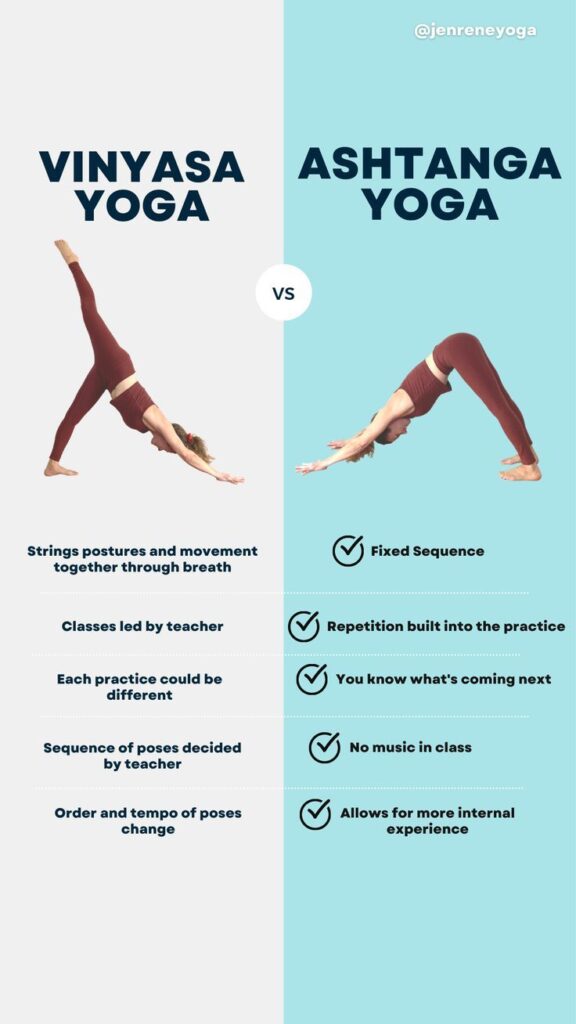
The way classes are organized differs greatly when examining Ashtanga vs. Vinyasa Yoga. For example, Ashtanga follows a traditional approach. It has specific rules and sequences. In contrast, Vinyasa offers more variety. Teachers have more creative freedom.
Both styles focus on linking breath with movement. However, the structure of each class creates a different experience. Therefore, understanding these differences helps you. You’ll know what to expect when you attend a class in either Ashtanga vs. Vinyasa Yoga.
Ashtanga Yoga
The Fixed Sequence System
Ashtanga yoga uses a set series of poses. These poses never change. Specifically, students learn the Primary Series first. It contains about seventy-five poses.
The sequence always begins with Sun Salutations. Then come standing poses. Next, students move through seated poses and backbends. Finally, the class ends with finishing poses and relaxation.
Every Ashtanga class around the world follows this same pattern. As a result, students memorize the sequence. They practice it over and over. Consequently, this repetition helps students go deeper into their practice over time when comparing Ashtanga vs. Vinyasa Yoga approaches.
Mysore Style Practice
Traditional Ashtanga happens in Mysore style classes. In this format, students practice at their own pace. Everyone works in the same room. Meanwhile, a teacher walks around. The teacher offers individual guidance and adjustments.
Students learn poses one at a time. They master each one before moving on. For instance, beginners might only practice a few poses. Advanced students complete the full series. Therefore, this self-paced approach works well. Each person can work at their appropriate level. In addition, the room stays quiet. You only hear the sound of breathing.
Led Ashtanga Classes
Some studios offer led Ashtanga classes. In these classes, everyone moves together. The teacher calls out poses in Sanskrit. They also count the breaths. As a result, students follow along as a group. They move through the Primary Series together.
These classes can be challenging. The pace stays consistent for everyone. However, led classes help students learn. They understand the sequence better. They also learn proper breath counts. Furthermore, they create a group energy. Some students find this motivating and inspiring when deciding between Ashtanga vs. Vinyasa Yoga.
Vinyasa Yoga
Creative Sequencing Freedom
Vinyasa teachers design their own class sequences. In fact, no two Vinyasa classes will be exactly the same. Specifically, teachers choose poses based on different factors. These include themes, student levels, or specific goals.
For example, one class might focus on hip openers. Another might emphasize arm balances. As a result, this variety keeps classes interesting and fresh. Additionally, students never know exactly what to expect. Therefore, teachers can adapt sequences easily. They match the season, time of day, or student needs in ways that differ from the Ashtanga vs. Vinyasa Yoga comparison.
Flow and Transitions
Vinyasa classes emphasize smooth transitions between poses. In particular, teachers create flows. One pose naturally leads to the next. Moreover, the breath guides the movement. This happens throughout the entire practice.
Students might move quickly through several poses. They don’t stop between them. Consequently, the flowing nature creates a moving meditation. In fact, many people find this style energizing and enjoyable. Furthermore, the creative transitions challenge students. They must stay present and focused in this aspect of Ashtanga vs. Vinyasa Yoga.
Music and Atmosphere
Vinyasa classes often include background music. This enhances the experience. Specifically, teachers choose playlists. These match the energy of their sequence. For instance, the music can be calming, energizing, or inspirational.
Some teachers use themes for their classes. Examples include heart opening or strength building. Additionally, the atmosphere tends to be more relaxed. It’s less formal than traditional Ashtanga. Therefore, students might chat before and after class. The environment feels friendly when comparing Ashtanga vs. Vinyasa Yoga settings.
Understanding The Eight-Limbed Path
The True Meaning of Ashtanga
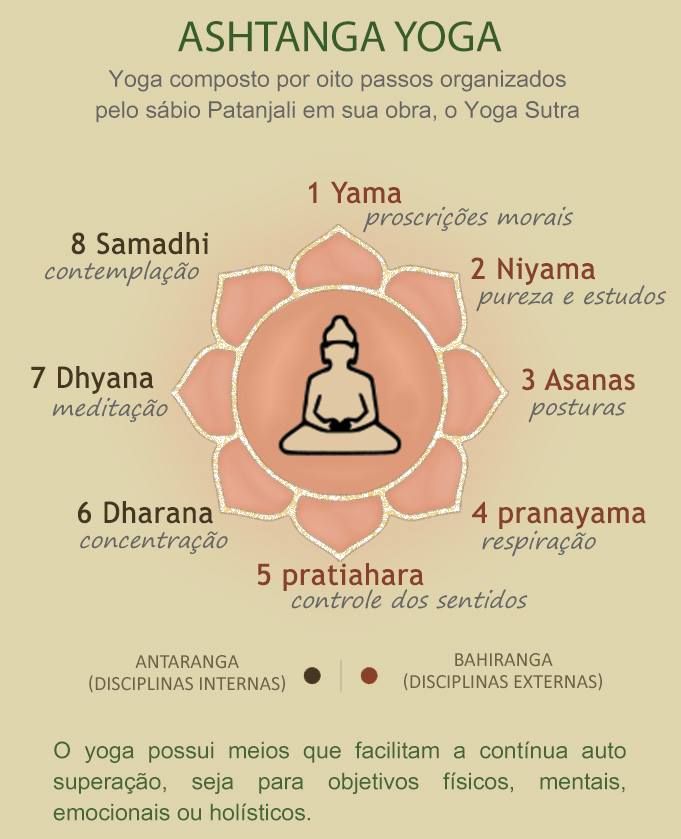
The word Ashtanga actually means eight limbs. This is in Sanskrit. In fact, it refers to an ancient philosophy. You can find this in the Yoga Sutras. Specifically, a sage named Patanjali wrote about eight aspects of yoga practice.
These limbs include several things. First, ethical guidelines. Second, physical poses. Third, breathing practices. Finally, meditation. Therefore, the eight limbs provide a complete path. This path leads toward spiritual growth and self-awareness. In particular, physical poses make up only one limb. The system has eight parts total.
The Eight Limbs Explained
The eight limbs create a roadmap. This roadmap helps you live a meaningful life. First, the first two limbs teach ethical behavior. These are called Yamas and Niyamas. They guide how you treat others and yourself.
Second, the third limb involves physical poses. This is called Asana. These poses prepare the body for meditation. Third, Pranayama is the fourth limb. It focuses on breath control and energy management.
Additionally, Pratyahara teaches something important. It helps you withdraw the senses from outside distractions. Finally, the final three limbs guide you further. These are Dharana, Dhyana, and Samadhi. They lead practitioners toward meditation and enlightenment.
In fact, both styles in the Ashtanga vs. Vinyasa Yoga debate draw from this ancient wisdom.
Beyond Physical Practice
Many people only know yoga as physical exercise. However, the traditional eight-limbed path includes much more. It goes beyond just poses. For example, the ethical guidelines help you live better. They teach integrity and compassion.
Similarly, breathing practices calm the mind. They also energize the body. Additionally, meditation develops focus and inner peace.
When Pattabhi Jois named his system Ashtanga yoga, he honored this complete tradition. In fact, he wanted students to understand something important. Physical poses were just one part of yoga practice. Ultimately, both modern styles in the Ashtanga vs. Vinyasa Yoga discussion encourage students to explore deeper. They can learn more about yoga philosophy.
Ashtanga Yoga: Physical Practice
The Demanding Physical Practice
Ashtanga yoga classes are physically challenging. In fact, the Primary Series includes many difficult poses. It also has challenging transitions. As a result, students build significant strength. They also gain flexibility and endurance over time.
The practice requires jumping back and forward between poses. Additionally, arm balances appear throughout the sequence. Inversions do too. Therefore, many students sweat heavily during Ashtanga classes. This happens because of the intense physical demands. Consequently, this style attracts certain people. Those who enjoy athletic and vigorous exercise when considering Ashtanga vs. Vinyasa Yoga.
Breath and Bandha Work
Ashtanga practitioners use a specific breathing technique. It’s called Ujjayi breath. Specifically, this creates an audible sound. The sound happens in the throat during inhales and exhales. Moreover, the breath stays steady. It uses five counts for each inhale and exhale.
Students also engage energy locks. These are called bandhas. They use them throughout the practice. In particular, these internal contractions support the poses. They also protect the lower back. As a result, the combination creates internal heat and focus. This combines breath and bandhas. However, mastering these techniques takes time. You need dedicated practice when studying Ashtanga vs. Vinyasa Yoga.
Drishti and Focus Points
Each pose in Ashtanga includes a specific place to look. This is called drishti. Specifically, the gaze helps students in two ways. It helps maintain balance. It also helps with concentration. Therefore, looking at the correct point keeps the mind focused. This happens during practice.
There are nine different drishti points. They’re used throughout the series. As a result, students learn where to direct their eyes. They do this for each pose. Consequently, this attention to detail deepens something. It deepens the meditative quality of the practice. Furthermore, the focused gaze prevents distraction. It also promotes inner awareness in the Ashtanga vs. Vinyasa Yoga comparison.
Benefits of Regular Practice
Students who practice Ashtanga regularly experience many benefits. These are physical benefits. In fact, the set sequence allows them to track their progress. They can do this over months and years.
For example, flexibility improves gradually. This happens as the body adapts to the poses. Similarly, strength develops in muscles. This happens throughout the entire body.
The heart system becomes more efficient. This comes from the continuous movement. Additionally, mental focus sharpens. This happens as students memorize and refine the sequence. Ultimately, the discipline required builds confidence. It also builds determination. This extends beyond the yoga mat when practicing either option in Ashtanga vs. Vinyasa Yoga.
Philosophy and Teaching Approaches
Different Teaching Styles
The philosophy behind teaching differs between these two styles when examining Ashtanga vs. Vinyasa Yoga. For instance, Ashtanga maintains a traditional approach. It honors the lineage of teachers. Therefore, students show respect. They do this by following the established sequence. They don’t make changes. In addition, teachers act as guides. These teachers have mastered the practice themselves.
In contrast, Vinyasa embraces a more modern philosophy. The teaching is more adaptable. Specifically, teachers encourage creativity. They also encourage personal expression within the practice. However, both approaches value something important. They value the wisdom of yoga tradition. They serve students in different ways in the Ashtanga vs. Vinyasa Yoga landscape.
The Role of the Teacher
In Ashtanga, teachers have usually practiced for many years. They do this before teaching others. As a result, they maintain the integrity of the sequence. This has been passed down through generations. Additionally, teachers offer adjustments. These help students achieve proper alignment. However, students ultimately develop independence. They develop this in their personal practice.
Vinyasa teachers bring their unique style to classes. They also bring their personality. In fact, they might study various yoga traditions. They combine different influences. Therefore, teachers design sequences. These reflect their understanding and creative vision when teaching Ashtanga vs. Vinyasa Yoga.
Student Experience and Goals
Ashtanga students often seek a dedicated practice. They want a disciplined practice. Specifically, they appreciate having a consistent framework. They can return to it each day. Moreover, the repetition allows them to go deeper. They don’t constantly learn new things. As a result, progress happens slowly. Students gradually master challenging poses.
Vinyasa students might enjoy variety. They like exploration in their practice. In particular, they appreciate classes that feel different. This happens each time they attend. Additionally, some students prefer not knowing. They don’t want to know what will happen during class. Therefore, the element of surprise keeps practice fresh. It also keeps it engaging when choosing between Ashtanga vs. Vinyasa Yoga.
Making Poses Accessible
Traditional Ashtanga can be difficult for some people. This includes beginners or those with injuries. However, teachers offer modifications. These make poses more accessible. Furthermore, students work at their own pace. This happens in Mysore style classes.
Vinyasa teachers can easily adapt sequences. They work with different ability levels. For instance, they might offer several variations of poses. They do this during class. Therefore, students choose which version works best. They pick what’s good for their bodies. As a result, this flexibility makes Vinyasa accessible. It reaches a wider range of people. Ultimately, both styles can be modified. They meet individual needs with proper guidance in the Ashtanga vs. Vinyasa Yoga debate.
It’s All Yoga!
Finding Common Ground
Despite their differences, these styles share the same foundation when comparing Ashtanga vs. Vinyasa Yoga. In fact, both practices link breath with physical movement. This happens throughout the class. Additionally, they both aim to create a moving meditation.
Students in both styles develop several things. These include strength, flexibility, and body awareness. Moreover, the ultimate goal remains the same. It’s about connection. This connection happens between mind, body, and spirit. Furthermore, both practices draw from ancient yoga traditions. They draw from ancient wisdom. In other words, they simply take different paths. But they reach the same destination.
Choosing What Works for You
The best yoga style depends on you when deciding between Ashtanga vs. Vinyasa Yoga. It depends on your personality and preferences. For example, some people thrive with structure. They like the routine that Ashtanga provides. On the other hand, others need variety. They want creative expression. They find this in Vinyasa classes.
You might try both styles. This helps you see which one feels right. In fact, some students practice both styles. They do this at different times. Additionally, your choice might change. This happens as your needs evolve over time. Ultimately, there is no right or wrong answer. This applies when selecting a practice in the Ashtanga vs. Vinyasa Yoga choice.
The Benefits of Both Practices
Here are some key benefits each style offers when considering Ashtanga vs. Vinyasa Yoga:
Ashtanga Benefits:
- First, it builds discipline through repetition
- Additionally, it creates measurable progress over time
- Moreover, it develops strong focus and concentration
- Furthermore, it provides a complete physical workout
- Also, it offers a clear path for advancement
- In addition, it supports independent home practice
- Finally, it connects you to traditional yoga lineage
Vinyasa Benefits:
- First, it keeps practice interesting with variety
- Second, it allows creative expression through movement
- Third, it adapts easily to different skill levels
- Additionally, it offers accessible entry for beginners
- Moreover, it creates community atmosphere in classes
- Furthermore, it provides flexibility in scheduling
- Finally, it encourages playful exploration of poses
Beyond the Physical Practice
Remember that yoga encompasses much more. It’s not just physical exercise. In fact, both styles in Ashtanga vs. Vinyasa Yoga can lead to deeper growth. This is spiritual growth. Specifically, the poses prepare your body and mind. They prepare you for meditation. Additionally, breathing practices calm your nervous system. They also reduce stress.
The ethical teachings guide you. They help you live with more compassion. Furthermore, yoga philosophy offers wisdom. This wisdom helps with life’s challenges. Therefore, you can choose either option in Ashtanga vs. Vinyasa Yoga. With either choice, you can explore these deeper dimensions. These are dimensions of practice.
Respecting All Traditions
The yoga world includes many different styles. It includes many approaches. In fact, each tradition has value. Each one serves different people when exploring Ashtanga vs. Vinyasa Yoga. For instance, Ashtanga practitioners should respect something. They should respect the creativity of Vinyasa. Similarly, Vinyasa students can appreciate the discipline. They can appreciate the discipline of Ashtanga.
Judgment and comparison do not serve the spirit of yoga. Moreover, every sincere practice contributes something. It contributes to personal growth and understanding. As a result, the diversity of styles allows more people to discover yoga. Ultimately, all paths lead toward greater awareness and peace in the Ashtanga vs. Vinyasa Yoga journey.
Starting Your Journey
Taking Your First Steps
If you want to begin a yoga practice and explore Ashtanga vs. Vinyasa Yoga, try several different classes. First, visit local studios. Take beginner classes in various styles. Then, notice how you feel. Notice this during and after each class. Additionally, pay attention to which teachers inspire you. Notice which ones motivate you.
Consider your personal goals. Think about what you hope to gain from Ashtanga vs. Vinyasa Yoga. For example, some people need structure. Others prefer flexibility. Ultimately, your body will guide you. Your intuition will guide you toward the right choice.
Continuing to Learn and Grow
Yoga is a lifelong journey. It involves discovery and development whether you choose Ashtanga vs. Vinyasa Yoga. In fact, your practice will change. It will evolve over many years. For instance, what works today might not work later. It might not work in five years.
Therefore, stay open to trying new approaches. Keep learning from different teachers. Additionally, read books about yoga philosophy. This deepens your understanding of Ashtanga vs. Vinyasa Yoga. Furthermore, attend workshops and retreats. These expand your skills. Moreover, connect with other practitioners. Share experiences and support with them.
Ultimately, the beautiful thing about yoga is this. There is always more to explore and discover.
Conclusion
Ashtanga vs. Vinyasa Yoga both offer powerful practices. They support physical and mental wellbeing. Specifically, Ashtanga provides a structured approach. It’s a traditional approach. It has a fixed sequence of poses. As a result, it builds discipline, strength, and deep focus. This happens through consistent repetition.
In contrast, Vinyasa offers creative freedom in the Ashtanga vs. Vinyasa Yoga comparison. It has flowing sequences. These change each class. Therefore, it welcomes variety. It welcomes personal expression within the practice. However, both styles connect breath with movement. They draw from ancient yoga wisdom.
The choice between them in Ashtanga vs. Vinyasa Yoga depends on several things. These include your personality, goals, and preferences. For instance, some students benefit from structure. Others thrive with flexibility. In fact, you might even practice both styles. You can do this at different times in your life.
Ultimately, what matters most is finding a practice you enjoy when choosing Ashtanga vs. Vinyasa Yoga. Find one you will maintain consistently. As a result, both paths lead toward greater body awareness. They also lead to mental clarity and inner peace. Furthermore, whichever style you choose in the Ashtanga vs. Vinyasa Yoga decision, remember this. It’s all yoga. In other words, the ultimate goal remains the same. It’s about connecting with yourself on a deeper level. It’s about living with more awareness and compassion.
Frequently Asked Questions
1. Can beginners start with Ashtanga yoga or is it too difficult?
Beginners can absolutely start with either option in Ashtanga vs. Vinyasa Yoga. Use the Mysore style format for Ashtanga. In fact, in Mysore classes, you learn poses one at a time. You go at your own pace. Additionally, the teacher gives individual attention. They help you modify poses for your level.
You don’t need to complete the entire Primary Series right away. In fact, many students spend months working through the sequence. Some even spend years. They do this gradually. However, beginners might find Vinyasa classes more accessible at first when comparing Ashtanga vs. Vinyasa Yoga. Specifically, Vinyasa teachers typically offer more modifications. They offer more variations.
Therefore, try both styles in Ashtanga vs. Vinyasa Yoga. See which feels more comfortable. Consider your current fitness level and learning style.
2. How often should I practice to see results?
Traditional Ashtanga students practice six days per week. They rest only on moon days and Saturdays. However, this frequency might not be realistic for most people exploring Ashtanga vs. Vinyasa Yoga. Instead, practicing three to four times per week will still provide benefits. These benefits are significant.
You should notice improved flexibility within a few months. You’ll also see better strength and mental clarity. In fact, consistency matters more than frequency. This is true for long-term progress. Similarly, Vinyasa practitioners can follow a similar schedule. This depends on their goals and availability when practicing Ashtanga vs. Vinyasa Yoga.
Therefore, listen to your body. Allow adequate rest between practices. In fact, even practicing once or twice weekly can support your health. This helps your overall wellbeing over time.
3. Do I need to be flexible to practice yoga?
No, you do not need to be flexible before starting either practice in Ashtanga vs. Vinyasa Yoga. In fact, yoga helps you develop flexibility gradually. This happens over time. Additionally, both Ashtanga and Vinyasa work with your current range of motion. Furthermore, teachers offer modifications. These help with tight hamstrings, hips, and shoulders.
Many students start yoga precisely because they lack flexibility when beginning Ashtanga vs. Vinyasa Yoga. Specifically, the poses gently stretch your muscles. They increase your range of motion. However, progress happens slowly. Be patient with your body.
Using props like blocks and straps makes poses more accessible. Therefore, focus on proper alignment. Don’t force your body into difficult shapes. Ultimately, your flexibility will naturally improve. This happens with consistent practice in either Ashtanga vs. Vinyasa Yoga.
4. What equipment do I need for classes?
You need very little equipment to start practicing either style in Ashtanga vs. Vinyasa Yoga. First, a yoga mat provides cushioning. It prevents slipping during poses. Additionally, most studios have mats available. You can borrow them if needed.
Comfortable clothing that allows movement works best. This is best for practice. Specifically, avoid loose shirts. These fall over your head in inversions. In fact, many students prefer fitted athletic wear.
You might want yoga blocks. These support you in certain poses. Similarly, a strap helps you reach your feet. This is useful in forward bends. Moreover, Ashtanga students sometimes use a towel. The practice creates sweat. However, you can start with just a mat when beginning Ashtanga vs. Vinyasa Yoga. Add other items later as needed.
5. Can I practice both styles together?
Yes, many experienced students practice both styles in Ashtanga vs. Vinyasa Yoga. They benefit from the variety. For example, you might do Ashtanga practice several days per week. Then attend Vinyasa classes occasionally. Additionally, some people enjoy the structure of Ashtanga. They use it for home practice. They supplement with Vinyasa classes. These provide community connection and new inspiration.
Other students use Vinyasa as their main practice. They occasionally attend Ashtanga classes. As a result, the combination gives you benefits. You get benefits of both structure and creativity in Ashtanga vs. Vinyasa Yoga. However, beginners should probably focus on one style initially. Specifically, learning the basics of one approach prevents confusion.
Therefore, once you feel comfortable exploring Ashtanga vs. Vinyasa Yoga, experiment. Try adding the other style to your routine.