
The seated spinal twist is a gentle yoga pose. It helps rotate the spine while sitting. This calming pose brings many benefits to the body and mind. Moreover, people of all skill levels can practice this twist safely at home or in class.
What is Seated Spinal Twist?
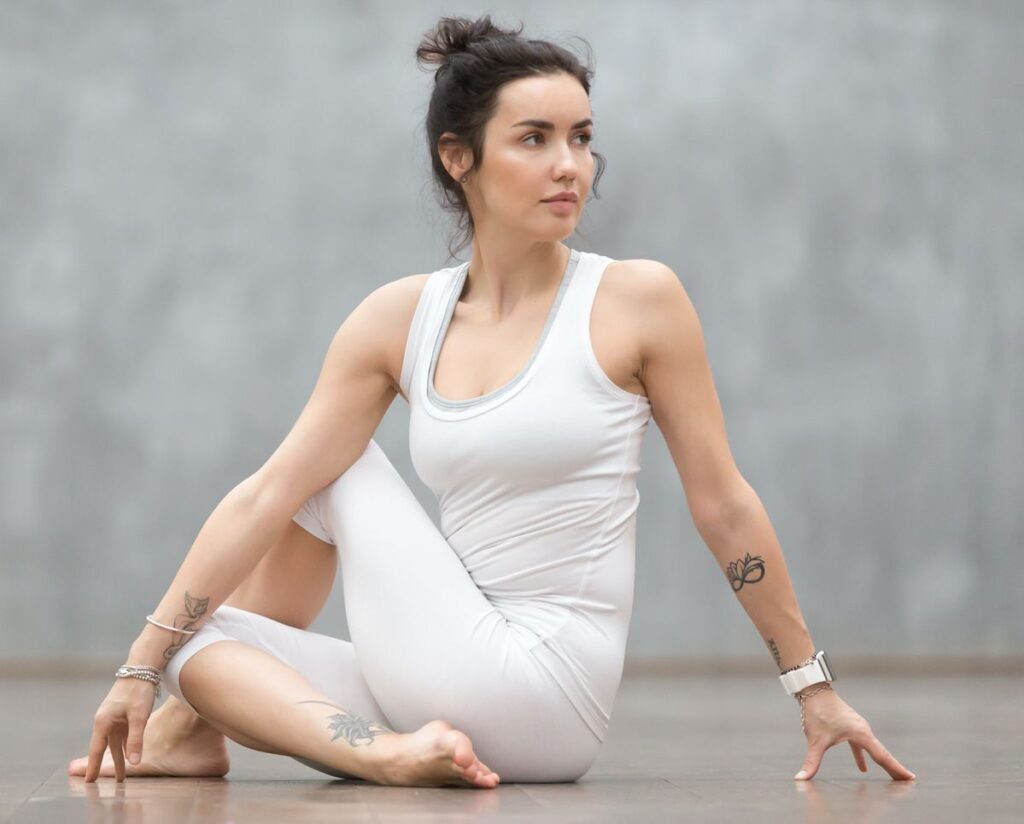
The seated spinal twist is a classic yoga posture. It involves turning the upper body to one side while keeping the hips grounded. This pose is also called Ardha Matsyendrasana or Half Lord of the Fishes Pose in Sanskrit. Furthermore, it creates a wringing action through the spine and torso.
When practicing this pose, a person sits on the floor. The legs can be extended or crossed. Then, they rotate their shoulders and chest to look behind them. One hand typically rests on the opposite knee. Meanwhile, the other hand supports from behind. This creates a spiral motion through the entire spine.
The seated spinal twist works differently than standing twists. This is because the hips stay stable. Therefore, this allows the twist to focus mainly on the middle and upper back. The pose can be held for several breaths on each side. Additionally, many yoga classes include this pose as part of the practice sequence.
Explained in this article
This guide covers everything needed to practice seated spinal twist safely. It also covers effective practice. Readers will learn proper alignment, common mistakes, and helpful modifications. Additionally, the article explains when to avoid the pose. It also answers frequently asked questions. Furthermore, step-by-step instructions make it easy for beginners to start practicing right away.
Benefits of Seated Spinal Twist
Improves Spinal Mobility
The seated spinal twist helps keep the spine flexible and healthy. Regular twisting maintains the natural range of motion in the vertebrae. Moreover, this movement prevents stiffness that builds up from sitting too long. The rotation also lubricates the joints between each spinal segment.
Aids Digestive Health
Twisting poses gently massage the internal organs. This is especially true for those in the digestive system. The compression and release action stimulates the stomach and intestines. It also affects other organs. Consequently, this can help move food through the digestive tract more efficiently. Many people feel relief from bloating after practicing twists.
Releases Tension in the Back
This pose helps release tight muscles along the spine and shoulders. The twisting motion stretches muscles that often hold stress. It also stretches muscles that hold tension. People who work at desks all day find this particularly helpful. Furthermore, the pose can ease minor back discomfort when practiced regularly.
Stretches the Shoulders and Chest
The seated spinal twist opens the front of the body. At the same time, it strengthens the back. It stretches tight chest muscles that collapse forward from poor posture. In addition, the shoulders also get a gentle stretch. This happens as the arms reach in opposite directions. This helps improve overall upper body posture.
Calms the Nervous System
Gentle twisting poses have a soothing effect. They affect both the mind and body. The steady breathing combined with rotation helps reduce stress and anxiety. This pose can be particularly relaxing when held for longer periods. As a result, it prepares the body and mind for meditation or rest.
Strengthens Core Muscles
Holding the twist position engages the deep abdominal muscles. It also engages the obliques. These muscles work to maintain the rotated position throughout the pose. Regular practice builds core strength. This strength supports the spine in daily activities. Moreover, a strong core also helps prevent back injuries.
Improves Posture
Regular practice of seated spinal twist can correct slouching. It can also correct rounded shoulders. The pose teaches awareness of spinal alignment and proper positioning. It strengthens the muscles needed to maintain good posture throughout the day. Ultimately, better posture leads to less pain and more energy.
How to Practice Seated Spinal Twist
Starting Position
Begin by sitting on a yoga mat. Both legs should be extended straight in front. Sit up tall with the spine long. Keep your shoulders relaxed down. Take a moment to ground the sitting bones into the floor. This creates a stable foundation for the twist.
Leg Position Setup
Bend the right knee. Then, place the right foot flat on the floor outside the left thigh. The right foot should be close to the left knee. Keep the left leg extended straight. Alternatively, bend it with the foot near the right hip. Choose the leg position that feels most comfortable and stable.
Initiating the Twist
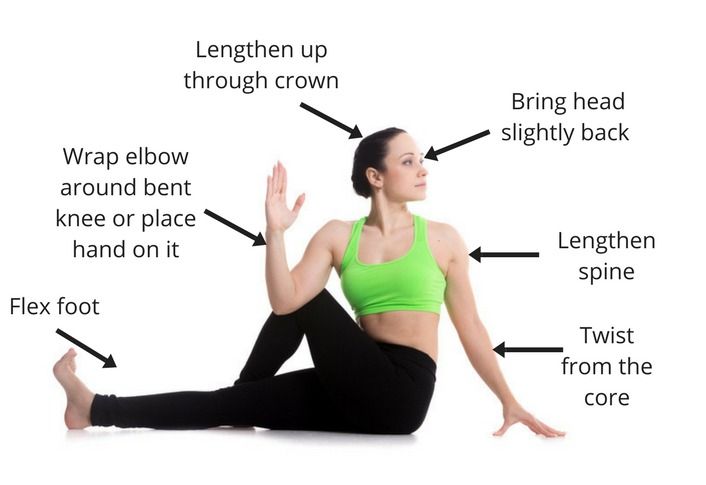
Inhale deeply to lengthen the spine. Sit up even taller. On the exhale, begin rotating the torso to the right side. Turn from the belly first. Then, turn the chest. Finally, turn the shoulders and head. Meanwhile, keep the sitting bones firmly planted on the ground throughout the movement.
Hand Placement
Bring the left elbow to the outside of the right knee. Alternatively, hug the right knee with the left arm. This creates leverage to deepen the twist gently. Place the right hand on the floor behind the body. It should be about six to twelve inches back. The right fingertips point away from the body.
Deepening the Pose
With each inhale, focus on lengthening the spine. Lengthen from the tailbone to the crown of the head. With each exhale, gently rotate a bit deeper into the twist. Never force the rotation. Also, don’t push past comfortable limits. The twist should feel like a gentle squeeze, not a painful wringing.
Head and Neck Position
Turn the head to look over the right shoulder. Do this only if it feels comfortable for the neck. However, if looking back creates strain, simply look forward. You can also look slightly to the side. The neck should stay long and relaxed. It shouldn’t crunch or force the turn.
Holding the Pose
Stay in the twist for five to ten slow, deep breaths. Focus on maintaining length in the spine. Don’t focus on forcing deeper rotation. Notice any sensations in the back, shoulders, and torso. Meanwhile, keep the breathing smooth and steady throughout.
Releasing and Switching Sides
On an inhale, gently release the twist. Return to center position. Take a breath or two in neutral before setting up the other side. Repeat all the steps with the left knee bent. Twist to the left this time. Always practice both sides evenly for balance.
Alignment Tips & Cues for Seated Spinal Twist
Alignment Tips
Keep the Spine Long
Focus on growing taller through the spine before twisting deeper. Many people collapse or hunch when rotating. This compresses the vertebrae. Imagine a string pulling the crown of the head toward the ceiling. This lengthening protects the spine. Furthermore, it allows for safer rotation.
Ground Both Sitting Bones
Both hips should stay firmly planted on the floor. This is important throughout the entire pose. Sometimes the hip on the bent leg side wants to lift up. Press it down actively to keep the pelvis level and stable. This creates the foundation for a safe and effective twist.
Stack the Shoulders
The shoulders should align vertically over each other. This is when viewed from the front. Avoid collapsing the chest. Also, avoid leaning forward with the upper body. Keep the shoulder blades sliding down the back. They should move away from the ears. This maintains proper upper body alignment.
Engage the Core
Gently draw the navel toward the spine. This activates the deep abdominal muscles. This support protects the lower back during rotation. The core engagement should feel firm. However, it shouldn’t create tension or restrict breathing. A strong center makes the twist more effective.
Relax the Jaw and Face
Many people hold tension in the face while twisting their body. Check that the jaw is relaxed. Also check that the facial muscles are soft. Keep the breathing flowing smoothly through the nose if possible. A relaxed face helps the entire body stay calm in the pose.
Maintain Even Weight Distribution
The weight should distribute evenly across both sitting bones. This is important despite the twist. Avoid shifting all the weight to one side or the other. This balance prevents strain. Additionally, it allows for better spinal rotation. Check in regularly to notice if weight has shifted.
Simple & Effective Cueing Suggestions
“Inhale to Lengthen, Exhale to Twist”
This simple rhythm helps coordinate breath with movement. The inhale creates space in the spine before rotating. The exhale naturally allows the body to soften into a deeper twist. Therefore, this cue prevents forcing and promotes smooth transitions.
“Twist from the Belly First”
Remind students to initiate rotation from the core. Don’t initiate from the shoulders. This helps protect the spine. The twist should spiral from the lower torso upward. This creates a more even distribution of rotation throughout the entire spine.
“Press the Floor Away”
Cue students to push the back hand into the floor. This helps maintain lift in the torso. This prevents collapsing or slouching while in the twist. The action of pressing down naturally lifts the spine up. It creates opposition that deepens the pose safely.
“Hug Your Knee Like a Friend”
This friendly cue helps students engage the front arm. It prevents gripping too tightly. The hug should be firm but gentle and caring. This creates enough leverage. However, it doesn’t create tension in the arm and shoulder.
“Look Behind You, But Keep Your Heart Forward”
This cue helps prevent over-rotating the neck. The neck shouldn’t rotate beyond what the spine is doing. The head turn should match the torso rotation naturally. It reminds students to maintain chest opening. In other words, don’t collapse forward.
Contraindications
Spinal Injuries or Surgery
People with recent back surgery should avoid this pose. The same applies to those with serious spinal injuries. Twisting can aggravate healing tissues. It can also aggravate unstable areas of the spine. Anyone with herniated discs should consult a doctor before practicing twists. The rotational force may worsen certain back conditions.
Pregnancy Considerations
Pregnant women should modify or skip deep twists. This is especially true in the second and third trimesters. Strong twisting compresses the abdomen where the baby is growing. Open twists that rotate away from the bent knee are safer options. Always consult with a prenatal yoga teacher or healthcare provider.
Recent Abdominal Surgery
Anyone who has had abdominal surgery should avoid this pose. This applies to surgery in the past three to six months. The twisting motion puts stress on the surgical site. It also stresses healing tissues. Wait until fully healed. Also wait until cleared by a medical professional. Even then, start with very gentle modifications.
Acute Digestive Issues
People experiencing severe digestive distress should wait to practice. This includes conditions like acute gastritis. While gentle twisting can aid digestion, intense symptoms need to settle first. Twisting during a flare-up may increase discomfort. Listen to the body. Practice when feeling better.
Severe Osteoporosis
Individuals with advanced osteoporosis should approach twists with extreme caution. In some cases, they should avoid them entirely. Brittle bones are more susceptible to fractures from rotational forces. A qualified yoga therapist can suggest safer alternatives. Medical clearance is important before practicing.
Modifications & Variations of Seated Spinal Twist
Modifications
Using a Blanket for Support
Sit on a folded blanket or cushion. This raises the hips above the knees. This makes the pose more accessible for people with tight hips or hamstrings. The lift reduces strain on the lower back. Furthermore, it allows better spinal alignment. Stack multiple blankets if needed for comfort.
Keeping Both Legs Extended
Instead of bending one leg, keep both legs straight out in front. Cross the right ankle over the left while twisting to the right. This gentler version reduces hip compression. It is also easier for beginners. The twist still provides benefits with less intensity.
Using a Chair
Those with limited floor mobility can practice seated spinal twist in a chair. Sit sideways on the chair with feet flat on the floor. Hold the chair back with both hands. Then, twist toward it. This makes the pose accessible for seniors. It also helps people with knee issues.
Holding the Knee Instead of Using the Elbow
If placing the elbow outside the knee feels too intense, simply hug the knee. Wrap both arms around the bent knee. Then, gently pull it toward the chest. This reduces the leverage. Consequently, it creates a softer, more manageable twist. It still provides spinal rotation benefits.
Reducing the Twist Depth
Not everyone needs to twist deeply to benefit from this pose. Rotate only as far as feels comfortable without strain. Even a small twist provides benefits to the spine and organs. Focus on maintaining length rather than forcing rotation.
Variations
Marichyasana C (Sage Marichi’s Pose)
This advanced variation involves binding the arms behind the back while twisting. The bottom leg stays straight. Meanwhile, the top foot plants near the opposite hip. The arm wraps around the bent knee. Then, it reaches behind to clasp the other hand. This deep twist requires significant flexibility.
Twisted Easy Pose
Start in a simple cross-legged position with both knees bent. Place both hands on the same knee. Then, twist toward that side. This symmetrical leg position makes the twist more accessible. It works well as a warm-up before deeper variations.
Revolved Head-to-Knee Pose
Extend both legs wide in a V-shape position. Bend one knee. Then, place the foot against the inner opposite thigh. Twist toward the bent knee side. At the same time, fold forward slightly. This combines twisting with a side stretch for additional benefits.
Supine Spinal Twist
Lie on the back with arms extended out like a T. Draw both knees to the chest. Then, lower them to one side. This reclined version is gentler. It’s also great for relaxation. It provides similar benefits without requiring balance or core strength.
Twisted Boat Pose
From boat pose with legs lifted, twist the torso to one side. Bring the opposite elbow toward the outside of one knee. This challenging variation combines core strengthening with spinal rotation. It builds heat. Moreover, it requires more muscular engagement.
Common Mistakes to Avoid
Forcing the Twist Too Deep
Many practitioners push themselves into a deeper twist. However, their body isn’t ready for it. This can strain the spine, ribs, and surrounding muscles. The twist should never cause sharp pain or discomfort. Always respect the body’s current limits. Twist only to a comfortable edge.
Rounding the Spine
Collapsing the chest and rounding the back is a very common error. This position compresses the vertebrae. Furthermore, it reduces the benefits of the pose. The spine should maintain its natural curves while lengthening upward. Think of sitting tall like a mountain before and during the twist.
Lifting the Hip
When the hip on the bent leg side lifts off the floor, the pelvis becomes uneven. This misalignment can stress the lower back. It can also stress the sacroiliac joint. Both sitting bones must stay firmly grounded throughout the entire pose. Use props or modify if keeping hips level is difficult.
Cranking the Neck
Twisting the head much further than the torso turns creates neck strain. The neck is delicate. It should rotate in proportion to the spine. If the shoulders are only slightly turned, the head should also turn slightly. Never force the neck beyond its comfortable range.
Holding the Breath
Some people forget to breathe smoothly when concentrating on the twist. Holding the breath creates tension. Additionally, it prevents the body from relaxing into the pose. Maintain steady, deep breathing throughout the entire hold. The breath helps deepen the stretch naturally.
Gripping with the Hands
Squeezing too tightly with the hands creates unnecessary tension. This affects the arms and shoulders. The hands should provide gentle support and leverage, not forceful gripping. Keep the fingers and palms relatively soft. This allows the twist to come from the core rather than the arms.
Rushing the Pose
Moving too quickly into and out of the twist doesn’t allow the body time to adjust. Spinal rotation needs time to happen safely and effectively. Enter the pose gradually over several breaths. Exit with the same care and attention to prevent injury.
When to Avoid or Modify Seated Spinal Twist
During Acute Pain Episodes
If experiencing sharp or intense back pain, skip this pose until feeling better. Twisting can aggravate inflamed tissues. It can also aggravate muscle spasms. Rest and gentle movements are more appropriate during acute pain episodes. Return to twists only when the pain has significantly decreased.
With Active Digestive Distress
Severe cramping, diarrhea, or intense nausea are signs to avoid twisting poses. The compression on the organs may worsen these symptoms temporarily. Wait until the digestive system feels more settled and calm. Gentle forward folds might be more soothing during these times.
When Feeling Dizzy
Twisting can occasionally cause or worsen feelings of dizziness or vertigo. If feeling lightheaded, come out of the pose immediately and rest. Practice seated twists only when feeling stable and grounded. Those prone to dizziness should twist more gently.
During Menstruation
Some women feel uncomfortable with deep twisting during their menstrual cycle. Listen to individual body signals. Modify or skip if needed. Gentler, more open variations might feel better during this time. There is no universal rule. Therefore, personal comfort should guide practice.
With Recent Rib Injury
Broken or bruised ribs need time to heal without additional stress. Twisting directly affects the rib cage. Furthermore, it can delay healing. Wait at least six to eight weeks or until cleared by a doctor. Even then, start with very gentle modifications.
When Pregnant
As mentioned earlier, pregnancy requires special modifications to twisting poses. The growing belly should not be compressed during rotation. Open twists that rotate away from the bent leg are safer alternatives. Always work with a qualified prenatal yoga instructor.
Why Practice Seated Spinal Twist?
Maintains Spinal Health
The spine is designed to move in multiple directions. This includes rotation. Regular twisting keeps the vertebrae mobile. It also keeps the surrounding muscles flexible. This prevents the stiffness and immobility that come with aging or sedentary lifestyles. A healthy, mobile spine contributes to overall quality of life.
Supports Detoxification
The body naturally detoxifies through the liver and kidneys. However, twisting may support these processes. The compression and release action on organs like the liver may stimulate function. Improved circulation to these areas helps them work more efficiently. This gentle assistance complements the body’s natural cleansing systems.
Reduces Stress and Tension
The combination of breath work and gentle movement creates a calming effect. Twisting poses help release physical tension. This tension is often held in the back and shoulders. This physical release often leads to mental and emotional relaxation. Therefore, the practice becomes a moving meditation that soothes the nervous system.
Improves Body Awareness
Practicing this pose regularly helps develop better proprioception. It also develops better body awareness. Practitioners learn to notice subtle misalignments. Then, they can make adjustments. This increased awareness carries over into daily life and other activities. Better body awareness helps prevent injuries. Furthermore, it improves overall movement quality.
Accessible and Practical
Seated spinal twist can be practiced almost anywhere. It requires minimal equipment. It requires only enough space to sit comfortably on the floor. Furthermore, the pose adapts easily to different fitness levels and abilities. This makes it a practical choice for regular practice at home or while traveling.
Complements Other Exercises
This pose works well as part of a balanced yoga practice. It also works well in a fitness routine. It provides the rotational movement that many other exercises lack. Athletes from various sports can benefit from adding spinal twists to their training. The pose helps balance out repetitive movement patterns.
Frequently Asked Questions
Can I practice this pose with tight hips?
Yes, people with tight hips can definitely practice seated spinal twist. However, they need modifications. Sit on a folded blanket or cushion. This raises the hips above the knees. As a result, the pose becomes much more comfortable. This elevation reduces strain on the hip joints and lower back.
Another option is to keep both legs extended straight. Don’t bend one knee. The twist will still provide benefits even with these adjustments. Some people find it easier to practice in a chair. They can do this until hip flexibility improves.
Remember that flexibility develops gradually. It requires consistent gentle practice. Never force the hips into uncomfortable positions.
What if I feel tension in my low back?
Low back tension during seated spinal twist usually indicates the need for modifications. First, check that both sitting bones stay firmly grounded throughout the pose. Lifting one hip often causes lower back strain.
Sit on a prop to elevate the hips. This can also help protect the low back. Reduce the depth of the twist. Focus more on lengthening the spine upward. The twist should feel like a gentle squeeze, not a painful compression.
If tension persists despite modifications, skip this pose. Instead, try gentler alternatives. Chronic low back pain requires evaluation from a healthcare provider. Get this evaluation before continuing with twists.
Is this pose good for digestion?
Yes, seated spinal twist can support healthy digestion. This is true when practiced regularly. The twisting motion gently massages the internal organs. This includes the stomach and intestines. This massage action may help stimulate digestive function and movement. Some people find relief from bloating and sluggish digestion with regular practice.
However, the pose should not replace proper nutrition. It also shouldn’t replace hydration and medical care. Practice twists on an empty or light stomach for best results. Avoid deep twisting during active digestive distress. Also avoid it right after eating large meals. The digestive benefits tend to accumulate over time. They come with consistent practice.
How long should I hold the twist on each side?
Most practitioners hold seated spinal twist for five to ten deep breaths on each side. Beginners might start with just three to five breaths. Then, they can gradually increase. The focus should be on quality rather than duration of the hold. Maintain proper alignment and smooth breathing throughout the entire time.
Some gentle yoga classes hold twists for one to two minutes per side. This allows for deeper release. Advanced practitioners might hold even longer during yin yoga or restorative practices. Listen to the body. Never stay in discomfort just to match a certain time. Always practice both sides equally for balance.
Can this pose help with back pain?
Seated spinal twist may help with certain types of chronic back pain. However, it doesn’t help all types. The pose can relieve tension from tight muscles. It can also improve spinal mobility. Many people with stiffness-related back pain find relief with regular gentle practice.
However, acute back pain or pain from injuries requires medical evaluation first. Some back conditions actually worsen with twisting movements. Always start very gently. Stop immediately if pain increases.
Work with a qualified yoga therapist. They can provide personalized guidance for back issues. Pain-free movement and proper alignment are essential. This is especially important when practicing with back concerns.
More Seated Poses
Exploring other seated poses helps create a well-rounded yoga practice. Here are some beneficial postures to complement seated spinal twist:
Seated Forward Fold (Paschimottanasana): This calming pose stretches the entire back of the body. It lengthens the hamstrings and spine. Meanwhile, it promotes relaxation and introspection.
Bound Angle Pose (Baddha Konasana): This pose is also called butterfly pose. It’s a hip opener that stretches the inner thighs. It improves hip flexibility. Additionally, it stimulates abdominal organs.
Easy Pose (Sukhasana): This is a simple cross-legged sitting position. It’s perfect for meditation and breathing exercises. It builds the foundation for more challenging seated poses.
Staff Pose (Dandasana): This is the foundation for many seated poses. In this pose, legs extend straight forward. This pose strengthens the back muscles. Furthermore, it improves posture.
Cow Face Pose (Gomukhasana): This is a deep shoulder and hip stretch. It requires patience and practice. It opens tight areas that accumulate tension from daily activities.
Hero Pose (Virasana): In this pose, you sit between the heels with knees bent. This provides a gentle thigh stretch. It’s excellent for improving ankle flexibility. Moreover, it calms the mind.
Head-to-Knee Forward Bend (Janu Sirsasana): This asymmetrical fold stretches one leg at a time. It combines forward bending benefits with a gentle side stretch.
Free Classes, Tutorials & More
Learning from qualified instructors helps ensure safe and effective practice. Many online platforms offer free yoga classes. These classes include seated spinal twist. YouTube channels dedicated to yoga often feature tutorials. They’re available for beginners and advanced students. Local yoga studios sometimes provide free community classes. They also offer introductory sessions.
Online yoga platforms offer trial periods. These allow you to explore different teaching styles. Some websites provide written instructions with photos. These demonstrate proper alignment. Social media platforms share short video clips. These include helpful tips and modifications. Always verify that instructors have proper certifications and training.
Conclusion
Seated spinal twist offers numerous benefits. These benefits apply to physical and mental wellbeing. This accessible pose improves spinal mobility. It aids digestion. Furthermore, it releases tension throughout the body. With proper alignment and attention to individual limitations, most people can practice this twist safely. The various modifications ensure that beginners can experience the benefits. Those with restrictions can also benefit.
Regular practice of seated spinal twist contributes to better posture. It also increases body awareness. The pose serves as both a physical exercise and a mindfulness practice. Remember to always honor the body’s signals. Never force uncomfortable positions. Whether practiced alone or as part of a longer sequence, this gentle twist supports overall health and vitality. Start slowly. Breathe deeply. Additionally, enjoy the journey of exploration with seated spinal twist.