
Restorative yoga is a gentle practice. In fact, it helps people relax deeply and feel better. Unlike other yoga types, this style focuses on rest instead of movement.
The practice uses special props. For example, blankets and pillows support your body. Additionally, you hold poses for a long time, sometimes up to 20 minutes. As a result, you can let go of stress and your body can heal itself.
Many people feel calmer after trying it. Moreover, it works well for tired people and stressed people. Best of all, the practice doesn’t require strength or flexibility. Therefore, anyone can do it, no matter their age. In other words, it’s like giving your body a hug.
The Origins of Restorative Yoga
How It All Began
Restorative yoga started in the 1970s with a teacher named B.K.S. Iyengar. As it happens, he was a famous yoga master from India who wanted to help people heal.
Iyengar noticed some students couldn’t do regular poses. Specifically, they had injuries or illness. Consequently, he started using props. For instance, blocks supported their bodies while straps helped them stretch. Furthermore, bolsters made poses comfortable. As a result, students could still practice yoga without pain.
Another teacher took Iyengar’s ideas further. In particular, Judith Hanson Lasater created the specific style we know today. Meanwhile, Lasater studied how the body responds to deep relaxation.
What Lasater Discovered
She found that holding supported poses helps a lot. In fact, when you stay in poses for long periods, your nervous system calms down. Subsequently, her work in the 1990s made this style popular and it spread around the world.
The Philosophy
The practice comes from ancient yoga wisdom. In particular, it teaches balance. For example, old yoga texts talk about rest alongside activity. Therefore, restorative yoga honors this balance by focusing on rest.
It recognizes that modern life is busy and stressful. As a result, the practice gives people permission to slow down and do nothing.
This style connects to “yin” energy. In contrast, yin means stillness, coolness, and rest while our culture values “yang” energy, which is active and fast-paced. Consequently, restorative yoga brings balance. In other words, it teaches that rest is not lazy but necessary for health.
What Is Restorative Yoga?
The Basic Idea
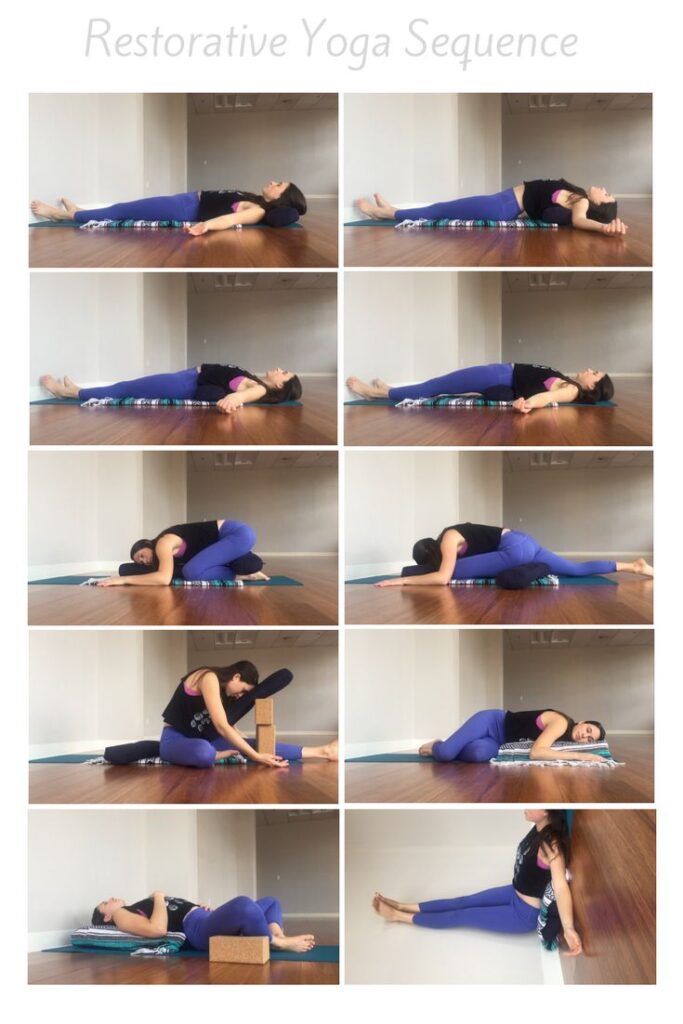
Restorative yoga is simple. Essentially, you rest in comfortable positions for long periods. Unlike active yoga, this focuses on releasing tension. Additionally, you use lots of props to support every body part. Therefore, the props do all the work while your muscles relax completely. As a result, your body enters deep rest.
A typical class includes only four to six poses. Furthermore, each pose lasts five to twenty minutes. In addition, the room is usually quiet, warm, and dimly lit. Sometimes, teachers play soft music or use essential oils. Consequently, the environment creates peace and you feel safe to let go.
Key Elements
The practice has several important parts. Specifically:
- First, props support your body
- Second, long hold times allow deep relaxation
- Third, passive stretching opens the body gently
- Additionally, breath awareness keeps you present
- Finally, minimal movement keeps you still
How It’s Different
Restorative yoga looks very different from other types. For example, in a power yoga class, people move quickly and build up a sweat. In contrast, restorative yoga is the opposite where you barely move at all.
Even gentle yoga styles are different. For instance, yin yoga stretches tissues and can feel intense. On the other hand, restorative yoga avoids sensation. In fact, the goal is complete comfort. Therefore, if a pose feels bad, the teacher adds props until it feels perfect.
Why Do I Cry During Restorative Yoga?
Emotional Release Is Normal
Many people cry during restorative yoga. In fact, this is completely natural. As it turns out, when your body relaxes deeply, emotions surface. Meanwhile, we hold stress in our bodies without realizing it. For example, our muscles tense up when we worry. However, during practice, as muscles let go, emotions release too.
Crying doesn’t mean something is wrong. Instead, it shows the practice is working. In fact, the tears are often healing and show you’re letting go. For instance, some people cry from relief while others cry because they finally have space to feel pushed-down emotions.
A Safe Space
In addition, the safe, quiet room gives you permission so your feelings can come out.
The Mind-Body Link
Scientists have learned that emotions affect our bodies. In particular, stressful events can get “stuck” in our tissues. As a result, the nervous system holds tension as protection. However, when we practice, we signal safety. Therefore, the nervous system can relax and this triggers release of old patterns.
The practice turns on the rest system. In other words, this is sometimes called the “rest and digest” mode. In contrast, it’s the opposite of “fight or flight.” When this calmer system activates, your body begins to process emotions. One way that process completes is through crying — a healthy and natural release.
What to Do When Emotions Come
If tears come during practice, allow them. First, don’t judge yourself and you don’t need to feel embarrassed. Then, take deep breaths and remember you’re safe.
Many yoga teachers are trained to support students. As a result, they understand this is normal and it’s part of healing.
After class, be gentle with yourself. For example, drink water and rest if needed. Additionally, some people find journaling helpful while talking to a friend can help. Ultimately, emotional release is a sign of courage.
What Are the Downsides?
When It Might Not Be Enough
Restorative yoga has many benefits. However, it’s not perfect for everyone. For instance, some people find it too slow or boring, especially if they’re used to active exercise. In particular, athletes might feel restless during long holds. Instead, they may prefer dynamic styles that match their energy.
The practice doesn’t build fitness. In fact, it won’t improve heart health or strength. Therefore, if you want to lose weight, this alone won’t work. Instead, it’s best used with other exercise. As a result, combining it with active movement creates results.
Challenges for Beginners
Some people struggle with the stillness. For example, in our fast world, sitting quietly feels hard and can even cause worry. Consequently, beginners might find their minds racing with thoughts.
Learning deep relaxation takes time. As a result, the first few classes might feel hard instead of peaceful.
Physical discomfort can also happen if props aren’t set up right. For instance, using the wrong bolster causes problems while not enough blankets makes poses awkward. Therefore, learning from a good teacher is important since they can help adjust the props.
Things to Consider
Be cautious in a few situations. Specifically:
- First, severe depression: Quiet focus might make some people feel worse
- Second, restlessness disorders: People with severe ADHD might find stillness difficult
- Finally, certain physical conditions: Some medical issues need changes
It’s always wise to talk with a doctor before starting any new practice. In addition, a qualified yoga teacher can provide help and suggest changes if needed.
Who Should Try Restorative Yoga?
People with Stress and Anxiety
Restorative yoga works wonderfully for stressed people. In fact, modern life moves fast and many people feel overwhelmed. Therefore, this practice offers a safe space to slow down.
Research shows it lowers stress hormones like cortisol. Additionally, it helps calm your nerves and reduces worry symptoms.
People with busy jobs find it helpful. In fact, even one class per week makes a difference. As a result, the practice teaches your body to relax, which is a skill that improves over time. Consequently, students handle stress better.
People Recovering from Illness or Injury
Restorative yoga is excellent for people who are healing. Specifically, the gentle nature doesn’t strain your body. Instead, it supports healing by improving blood flow and reducing swelling.
Many physical therapists and doctors recommend it as part of recovery plans.
People with chronic pain find relief. For example, those with fibromyalgia or arthritis benefit. In particular, the supported poses help ease pain without causing extra stress to joints or muscles.
Cancer Recovery
Cancer patients use restorative yoga to manage treatment side effects and support their recovery. In other words, it’s a gentle way to care for the body.
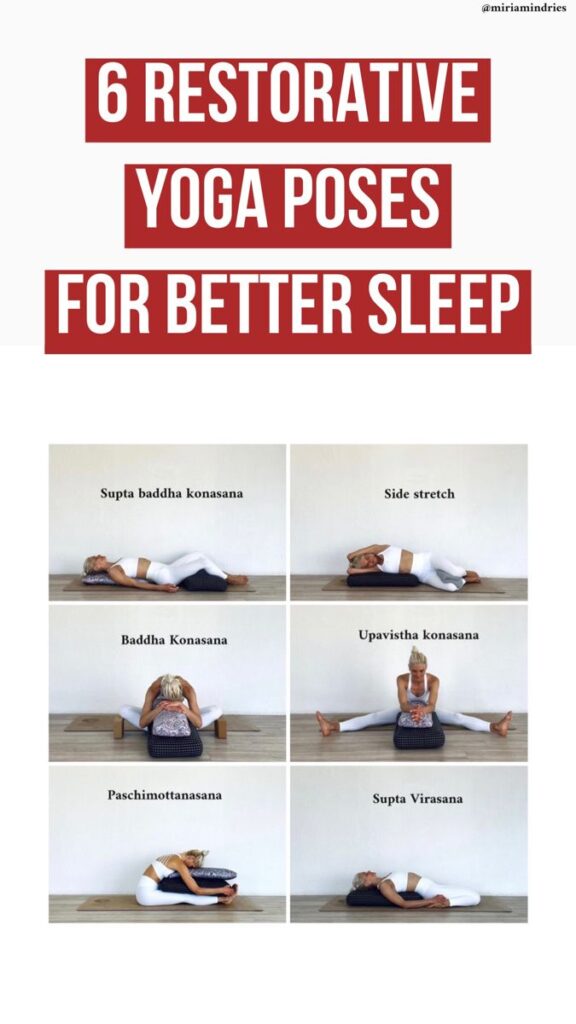
Anyone Seeking Better Sleep
Insomnia affects millions of people. However, restorative yoga can help significantly. For instance, practicing in the evening helps prepare your body and mind for rest.
The deep relaxation techniques transfer to bedtime. As a result, many students fall asleep faster and sleep more soundly after starting practice.
Pregnant women also benefit greatly. In fact, the practice helps ease discomfort and prepares the body for childbirth. Additionally, special changes make poses safe and provide much-needed rest.
Athletes
Athletes need recovery time just as much as training. In fact, restorative yoga provides the perfect match to intense workouts. Therefore, it helps muscles recover and prevents burnout.
Many professional athletes include it in their training schedules. As a result, the practice helps balance activity with necessary rest.
The Purpose of Restorative Yoga
Turning on Relaxation
The main purpose is simple. Essentially, it turns on your body’s natural relaxation response. For instance, when you’re stressed, your body stays tense in fight-or-flight mode. As a result, this causes high blood pressure, tense muscles, and racing thoughts.
Restorative yoga switches on relaxation. Consequently, this reverses stress symptoms as your heart rate slows down, your breathing deepens, and your muscles release tension.
This relaxation has powerful healing effects throughout your body. For example, digestion improves because your body can focus on rest. Additionally, your immune system works better and your hormones come back into balance. Best of all, these benefits continue after class.
Creating Space for Healing
Restorative yoga creates space for healing. Specifically, in supported poses, your body doesn’t work to hold itself up. Therefore, this frees up energy for repair.
Your cells can focus on healing tissues, processing toxins, and restoring balance. In other words, it’s like giving your body a vacation.
The practice also creates mental space. For instance, in our busy lives, we rarely process experiences. Therefore, restorative yoga provides quiet time to simply be present. As a result, this allows your mind to let go of what’s not needed.
Building Awareness
Another important purpose is developing body awareness and mindfulness. For example, during long holds, you learn to notice subtle feelings. Additionally, you become aware of your breathing and mental states.
This awareness is valuable on and off the mat. In fact, mindfulness helps people make better choices about their health. Furthermore, you learn to recognize early signs of stress and develop tools to care for yourself.
Ultimately, this self-awareness is one of the most valuable gifts.
Finding Classes Near You
Local Studios
Many yoga studios offer restorative classes in their weekly schedules. To find classes near you, start by searching online. Then, call studios or visit their websites and look at their class descriptions.
Look for classes labeled “restorative,” “gentle yoga,” or “relaxation yoga.” Alternatively, some studios offer “yoga nidra,” which is similar.
Community centers often provide classes. Similarly, gyms and wellness centers offer them too. In addition, these classes might be cheaper while libraries and hospitals sometimes offer free or low-cost yoga programs.
Choosing a Teacher
A good restorative teacher should have specific training in this style. Additionally, they should know anatomy and how to use props safely. Furthermore, the best teachers create a warm space where students feel comfortable.
They should offer individual attention. For example, they help adjust props for each person. Therefore, look for teachers who encourage you to listen to your body. In particular, they should never push anyone into uncomfortable positions.
Good teachers also respect emotional releases. In fact, they know how to support students. Therefore, reading reviews can help while asking for recommendations helps you find quality instructors.
Practicing at Home
Not everyone has access to local classes. However, that’s okay since you can practice restorative yoga at home with a few simple props. Specifically, you’ll need some blankets, pillows, and possibly a yoga bolster.
Many online videos provide guidance. Similarly, books provide instructions too. To start, begin with just one or two poses and gradually build your routine.
Create a quiet space in your home. First, turn off your phone and other distractions. Then, set the mood with dim lighting and use candles if you want. Best of all, even 15 minutes provides benefits. Ultimately, the key is consistency.
Teacher Training
Why Become a Teacher
Teaching restorative yoga is rewarding. In fact, you help others heal and relax. Additionally, many teachers add restorative training to deepen their own practice and expand their teaching skills.
The specialized knowledge helps you serve students with various needs. In particular, it’s especially valuable for working with injuries, chronic conditions, and high stress.
Becoming a restorative teacher doesn’t always require full certification. In fact, some programs are open to anyone. However, having a foundation in yoga helps since basic yoga principles and anatomy knowledge are useful.
What Training Covers
Restorative yoga teacher training covers several topics. Specifically:
- First, the history and philosophy
- Second, anatomy of relaxation
- Third, how to use props safely
- Additionally, sequencing classes
- Furthermore, working with special populations
- Also, creating a healing atmosphere
- Moreover, supporting students through emotional releases
- Finally, building a yoga business
Most programs require 20 to 50 hours. For example, some are intensive weekend workshops while others spread over several weeks. In addition, programs include practical training and theoretical learning where you practice teaching.
Choosing a Program
When selecting training, research the lead teacher. Specifically, look at their background and experience. Therefore, look for instructors who have taught for years and check if the program is registered with Yoga Alliance.
Read reviews from past students. As a result, you can learn about their experiences. Additionally, consider whether you prefer in-person or online since both formats have advantages.
In-person training allows hands-on adjustments and direct feedback. On the other hand, online programs offer flexibility for people with busy schedules or who live far from training centers. Sometimes, programs combine both formats.
Online Teacher Training
Benefits of Online Learning
Online restorative training has become popular and accessible. In fact, these programs allow you to learn from anywhere. Additionally, people with commitments can study at their own pace while online training is often cheaper.
Quality online programs include video demonstrations, live virtual classes, and interactive discussions. Furthermore, you can watch lessons multiple times to fully understand the material.
Many programs provide recorded content that you can access forever. As a result, this creates an ongoing resource.
What to Expect
Online training typically includes several parts. For example, pre-recorded video lessons cover theory, anatomy, and demonstration of poses. Meanwhile, live virtual sessions allow you to ask questions and practice teaching.
Many programs require practice teaching hours with friends or family. In addition, written assignments help develop teaching skills.
You need basic technology: a computer with internet and a camera. Additionally, you need a quiet space for practice while having yoga props at home is necessary. Fortunately, most programs provide a list beforehand.
Online vs. In-Person
Both training types have unique advantages. For instance, in-person training offers hands-on adjustments and immediate feedback from instructors. Furthermore, you benefit from group energy and can physically practice adjusting props.
Online training provides flexibility and accessibility. Specifically, you save time and money while you can review material as needed. Moreover, for people in remote areas, online might be the only option. Ultimately, the best choice depends on your learning style.
YogaRenew App
Practice Anywhere
The YogaRenew app brings restorative yoga to your phone or tablet. As a result, this makes practice easy whenever and wherever you want, whether you’re at home or traveling.
The app offers variety. For example, class lengths from 10 minutes to an hour allow you to choose from different styles and difficulty levels. In particular, the app includes restorative classes designed for relaxation.
Features
The app provides several helpful features. First, video classes led by experienced teachers give clear instructions, which makes following along safe. Additionally, you can save favorite classes and track your practice over time. Furthermore, the app sends reminders.
New classes are added regularly, so content stays fresh. Meanwhile, you can explore different teachers and find ones you connect with. Best of all, the app works on multiple devices, which supports a steady practice.
Stay Connected
Join the Community
Staying connected helps you stay motivated and learn new things. For example, many organizations send newsletters with tips and wellness information. Similarly, following teachers on social media provides inspiration.
Online forums allow students to share experiences and ask questions. As a result, learning from others can be encouraging. Additionally, some communities organize events where students can practice together. Ultimately, being part of a community makes the benefits stronger.
Keep Learning
Yoga is a lifelong learning journey. In fact, even experienced practitioners discover new things. Therefore, attending workshops helps deepen your understanding while reading books expands your knowledge. Furthermore, many teachers offer free webinars.
Trying different styles keeps practice interesting. For instance, someone who practices restorative might enjoy flow classes too. As a result, variety prevents boredom and challenges your body. Ultimately, the key is staying curious.
Conclusion
Restorative yoga offers a powerful path to deep relaxation and healing. In fact, in our busy world, this gentle practice uses props and long holds to help your nervous system calm completely.
Anyone can benefit from restorative yoga, no matter their age or fitness level. In particular, it’s especially valuable for stressed people, those with chronic pain, and those recovering from illness.
The practice teaches us that rest is essential, not lazy. Specifically, by turning on the relaxation response, restorative yoga supports healing on physical, mental, and emotional levels. Moreover, you can practice in a studio or at home. Either way, the benefits are significant.
Starting a practice requires very little equipment or experience. For example, a few blankets and pillows work fine. Additionally, local studios provide guidance while online classes offer trained teachers. Ultimately, the most important step is simply beginning.
Remember that restorative yoga is different for everyone. In fact, some people love it right away while others need time. Therefore, be patient with yourself as you learn to relax deeply. As a result, with regular practice, you’ll notice improvements.
Frequently Asked Questions
How often should I practice?
Most people benefit from practicing one to three times weekly. In fact, some people enjoy daily practice, especially in the evening. Moreover, even once a week makes a difference in stress levels and sleep quality. Ultimately, listen to your body and practice as often as feels good.
Do I need to be flexible?
No, flexibility is not required at all. In fact, the practice uses lots of props to support your body. Therefore, the props do all the work and you don’t need to stretch. Additionally, people of all flexibility levels can enjoy it. In fact, tight muscles often release naturally.
What props do I need at home?
Basic props include blankets and pillows. Specifically, get two or three blankets and several pillows. Additionally, a yoga bolster is helpful but not essential since you can use a couch cushion or rolled blankets. Furthermore, a yoga mat provides cushioning while an eye pillow helps relaxation. Best of all, most props can be found at home.
Can it help with anxiety and depression?
Research shows restorative yoga reduces anxiety significantly. In fact, the practice calms your nervous system and lowers stress hormones. Additionally, many people with mild depression find it helpful. However, it should not replace professional care. Therefore, always work with qualified healthcare providers.
How is it different from meditation?
Restorative yoga and meditation both promote relaxation. However, they use different approaches. Specifically, meditation focuses on the mind and usually involves sitting still. In contrast, restorative yoga uses physical poses to relax the body, which then calms the mind. In fact, both practices work well together while some people find restorative yoga easier to start with.