
Have you ever walked into a yoga studio and felt confused? You’re not alone. Indeed, two popular gentle yoga styles often puzzle people. These are Yin and Restorative yoga. While both practices help you slow down, they work in very different ways.
Many yoga students mix up these two calming practices. First, they both use props like blankets and blocks. Additionally, they both involve holding poses for long periods. Furthermore, they both feel wonderfully peaceful. However, here’s the thing: they have completely different goals.
Understanding the difference helps you pick the right practice. Perhaps you want to stretch your connective tissues. Alternatively, you may need deep rest and recovery. Therefore, each style offers unique gifts. This article will clear up the confusion.
Key Differences of Yin and Restorative Yoga
The Purpose Behind Each Practice
Yin yoga targets your deep connective tissues. Therefore, it creates healthy tension in your joints. Moreover, the practice strengthens these tissues over time. As a result, you’ll feel a moderate stretch.
In contrast, Restorative yoga focuses entirely on relaxation. Therefore, it removes all stress from your body. Additionally, the props support you completely. Consequently, there’s no stretching or challenge involved. Instead, your nervous system gets a chance to reset.
How Long You Hold Each Pose
Both practices involve staying still. However, the timing differs significantly. Specifically, Yin yoga poses typically last three to five minutes. Furthermore, some experienced students hold poses for up to ten minutes.
Meanwhile, Restorative yoga takes even more time. Indeed, poses can last anywhere from five to twenty minutes. Therefore, this extended time allows your body to fully surrender. Additionally, your brain waves slow down. Consequently, deep healing happens.
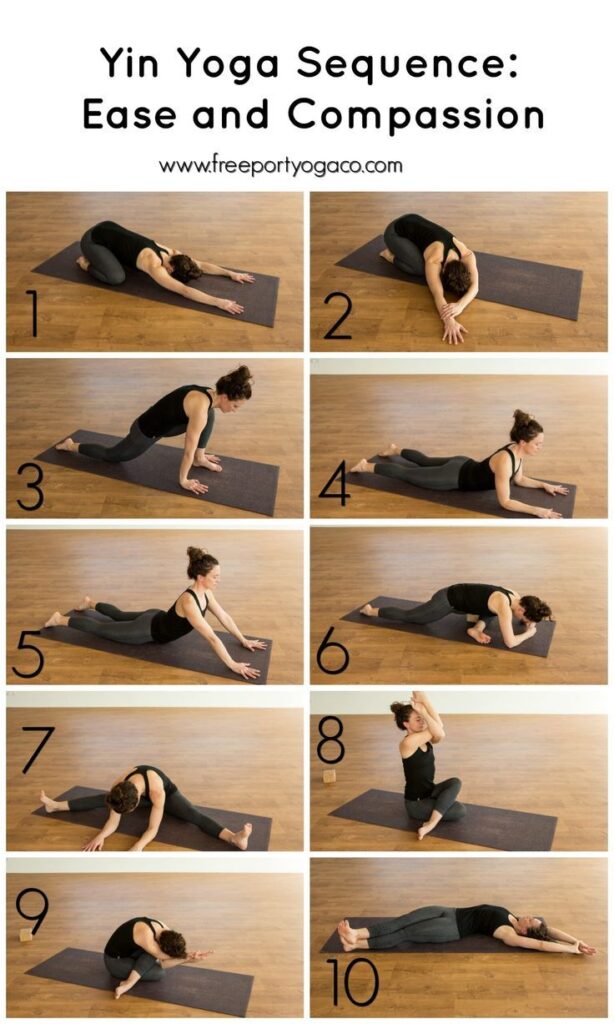
The Level of Sensation You Experience
When you practice Yin yoga, you’ll definitely feel something. Specifically, a moderate stretch pulls at your tissues. Moreover, you might feel discomfort, but never pain. Typically, the sensation stays at about a six or seven.
In contrast, Restorative yoga feels completely comfortable. Therefore, you should feel zero discomfort. If something hurts, you add more props. Indeed, the goal is total ease. As a result, your body melts into complete relaxation.
What Props Do in Each Practice
Props serve opposite purposes in these two styles. First, in Yin yoga, props help you find the right depth. For example, a block under your forehead lets you fold deeper. Similarly, a bolster changes the angle of tension.
However, in Restorative yoga, props eliminate all effort. Indeed, they become your support system. For instance, a bolster under your back lets gravity work. Similarly, blankets wrap around you like a cocoon. Therefore, every part rests on something soft.
The Energy You Feel Afterward
Yin yoga leaves you feeling opened up. Therefore, your joints move more freely. Additionally, you might feel a bit raw. Moreover, energy flows through newly opened channels. Consequently, some students feel energized.
In contrast, Restorative yoga makes you feel deeply rested. Therefore, you’ll likely feel sleepy and calm. Furthermore, your nervous system shifts into healing mode. As a result, many people take a restorative class before bed. Indeed, the practice prepares your body for quality sleep.
What is Yin Yoga?
The Ancient Roots of This Practice
Yin yoga came to life in the 1970s. Specifically, martial arts expert Paulie Zink created the foundation. Moreover, he combined his Taoist yoga training with his own insights. Later, Paul Grilley developed the style we know today. Furthermore, he studied anatomy and Taoist philosophy deeply.
The practice draws from traditional Chinese medicine. Therefore, it works with the body’s meridian system. Indeed, these meridians are energy channels. Moreover, each Yin pose targets specific meridians. As a result, this helps balance your internal organs.
Eventually, Bernie Clark expanded Yin yoga’s teachings. Additionally, he added detailed anatomical knowledge. Today, Yin yoga continues to grow. Furthermore, teachers around the world adapt it for modern students.
How Yin Yoga Works With Your Body
Your body has two types of tissues. First, Yang tissues include your muscles. Moreover, they’re soft, elastic, and blood-rich. Therefore, they respond well to repetitive movement. Consequently, most yoga styles focus on muscles.
However, Yin tissues are different. Specifically, they include your ligaments, tendons, and fascia. Additionally, these tissues are denser and less elastic. Therefore, they need gentle, sustained pressure. In contrast, short movements don’t reach these deep layers.
Yin yoga applies mild stress to these connective tissues. Therefore, when you hold a pose for minutes, your muscles relax. Then, the stretch reaches your deeper layers. Consequently, this gentle stress makes your tissues stronger.
Traits of Yin Yoga
The Passive Nature of Poses
Yin yoga asks you to relax completely. Therefore, you don’t engage or activate anything. Instead, your body becomes heavy and soft. Moreover, gravity does most of the work. Consequently, this passive approach feels strange at first.
You find your edge in each pose. Specifically, that’s the point where you feel sensation. Then, you stay there without moving. Therefore, your body slowly opens up. As a result, the stretch deepens naturally over time.
Working With Stillness and Patience
Modern life moves fast. However, Yin yoga teaches you to slow down. Indeed, you hold each pose for several minutes. Therefore, this challenges your mind as much as your body.
Your thoughts might race at first. Additionally, you might feel restless or bored. However, these reactions are normal and valuable. Indeed, they show you how your mind works. Eventually, you learn to sit with discomfort peacefully.
Finding Your Unique Expression
Every body has different bones. Therefore, what works for one person might not work for another. Consequently, Yin yoga honors these differences. Indeed, teachers encourage you to find your own variation.
You might need blocks, blankets, or bolsters. Therefore, these props help you access the right tissues. Furthermore, there’s no perfect shape to achieve. Instead, the goal is finding the right sensation.
The Meditative Quality of Practice
Yin yoga naturally becomes meditation. Therefore, when you hold still for minutes, your mind settles. Indeed, you can’t think your way through the practice. Instead, you must simply be present with sensations.
Many teachers guide you to observe your thoughts. Therefore, you watch them come and go. Additionally, you notice your emotions without reacting. Consequently, this builds mindfulness beyond your mat.
Benefits of Yin Yoga
Increased Flexibility in Deep Tissues
Regular Yin practice makes your joints move freely. Therefore, your hips open up gradually. Moreover, your spine becomes more flexible. Indeed, these changes happen slowly but last longer.
The practice works especially well for tight areas. For instance, hips, shoulders, and spine respond beautifully. Furthermore, people who sit all day find tremendous relief. As a result, your body learns to release chronic tension.
Better Energy Flow Through Meridians
According to Chinese medicine, blocked energy causes problems. Therefore, Yin yoga helps clear these blockages. Moreover, each pose stimulates specific meridian lines. Consequently, this improves the function of related organs.
Students often report feeling more balanced. Additionally, they sleep better. Furthermore, their digestion improves. While science is still studying these effects, many practitioners feel real changes.
Stress Relief and Emotional Release
Your connective tissues store emotional tension. Therefore, when you stretch these areas, feelings might surface. Indeed, you might feel sad or joyful for no clear reason. However, this release is healthy and healing.
The long holds calm your nervous system. Therefore, your stress hormones decrease. Additionally, your body shifts into rest mode. Consequently, regular practice helps you handle daily stress better.
Preparation for Meditation Practice
Sitting still for meditation feels hard for many people. However, Yin yoga prepares your body and mind. First, it releases physical tension that causes fidgeting. Additionally, it trains your mind to stay present.
Many meditation teachers recommend Yin yoga. Indeed, the practices complement each other perfectly. Therefore, Yin yoga becomes moving meditation. Furthermore, sitting meditation becomes easier after Yin practice.
Support for Active Yang Practices
Athletes and active people benefit greatly from Yin yoga. Therefore, it balances intense training. Moreover, while you build strength through running, Yin maintains joint health.
The practice prevents injuries. Specifically, it keeps connective tissues supple. Additionally, it helps you recover between hard workouts. Consequently, many professional athletes include Yin in their training.
What is Restorative Yoga?
The Birth of Restorative Practice
Restorative yoga emerged from B.K.S. Iyengar’s teachings. Indeed, this legendary yoga master emphasized precise alignment. Moreover, he showed how props could make yoga accessible.
Judith Hanson Lasater studied with Iyengar. Specifically, in the 1970s, she developed Restorative yoga. Furthermore, she focused on deep relaxation and healing. As a result, her work transformed how people think about rest.
The practice gained popularity as stress levels increased. Therefore, people needed tools for managing chronic stress. Consequently, Restorative yoga offered a sanctuary. Indeed, it gave people permission to truly rest.
The Science of Deep Relaxation
Your nervous system has two modes. First, the sympathetic mode handles stress. Meanwhile, the parasympathetic mode manages rest and healing. However, modern life keeps most people stuck in stress mode.
Restorative yoga activates your parasympathetic nervous system. Therefore, this shift happens through complete relaxation. Moreover, when your body feels totally safe, it can heal. Consequently, your heart rate slows. Additionally, your blood pressure drops.
This isn’t just feeling relaxed. Instead, real physiological changes occur. Therefore, your body releases healing hormones. Moreover, your immune system gets stronger. Furthermore, chronic inflammation decreases. Indeed, these benefits accumulate with regular practice.
Traits of Restorative Yoga
Complete Support From Props
Restorative yoga uses many props. Specifically, you’ll work with bolsters, blankets, and blocks. Additionally, straps help position your legs. Furthermore, sandbags add gentle weight. Therefore, each prop has a specific purpose.
The props eliminate all effort. Indeed, you shouldn’t use any muscle strength. Therefore, if you feel any strain, you add more support. Moreover, your teacher helps you set up each pose carefully.
Extended Time in Each Position
Classes typically include only four to six poses. However, each pose lasts five to twenty minutes. Therefore, this might sound boring, but time passes quickly. Indeed, your body needs this duration to fully relax.
The first few minutes, you settle in. Meanwhile, your mind might be active. Then, around the five-minute mark, your nervous system starts shifting. Eventually, by ten minutes, deep healing begins. Therefore, the extended holds are essential.
Absolute Comfort is Essential
Unlike Yin yoga, you should feel zero discomfort. Therefore, if something bothers you, speak up. Indeed, your teacher will adjust your setup. Moreover, even a small annoyance prevents complete relaxation.
Temperature matters too. Therefore, you’ll likely need a blanket. Indeed, your body temperature drops when you’re still. Furthermore, being cold blocks relaxation. Consequently, many studios dim the lights and play soft music.
Gentle Transitioning Between Poses
Moving between poses happens slowly. Therefore, you take your time getting up. Indeed, rushing disrupts your relaxed state. Moreover, teachers guide you through gentle movements.
You might feel spacey or dreamy. However, this is normal and good. Indeed, your brain waves have changed. Therefore, moving too quickly can feel jarring. Consequently, the slow pace honors your deep relaxation.
Benefits of Restorative Yoga
Deep Recovery for Tired Bodies
Restorative yoga offers healing for exhausted people. Therefore, if you work long hours, this practice helps. Moreover, if you care for others constantly, you need this rest. Indeed, your body gets a chance to repair itself.
The practice is wonderful for illness recovery. For instance, after surgery or injury, Restorative yoga supports healing. Furthermore, it’s gentle enough for almost everyone. However, it’s powerful in its effects.
Stress and Anxiety Reduction
Chronic stress damages your health. Indeed, it affects your heart, digestion, and immune system. However, Restorative yoga directly counteracts stress. Therefore, it gives your body the rest it desperately needs.
Many students report less anxiety. Additionally, their racing thoughts slow down. Furthermore, they feel more grounded. Consequently, the practice teaches your nervous system that it’s safe to relax.
Better Sleep Quality
Sleep problems plague millions of people. However, Restorative yoga improves sleep in several ways. First, it calms your nervous system before bed. Additionally, it releases physical tension that disrupts sleep.
The practice also retrains your body to relax. Indeed, many people forget how to truly rest. Therefore, Restorative yoga reminds your body what deep relaxation feels like. Consequently, this skill carries over to bedtime.
Emotional Healing and Balance
Restorative yoga creates space for emotional processing. Therefore, when you’re completely relaxed, feelings can surface safely. Indeed, you might cry or feel waves of emotion. However, this release is therapeutic.
The practice builds resilience. Moreover, you learn that you can handle difficult feelings. Additionally, you develop self-compassion. Consequently, many therapists recommend Restorative yoga alongside counseling.
Support During Major Life Changes
Pregnancy, illness, grief, and transitions drain your resources. Therefore, Restorative yoga provides essential support during these times. Indeed, it nourishes you when you need it most.
The practice reminds you that rest is productive. Therefore, you don’t always need to push through. Instead, sometimes the most healing thing is complete surrender.
Choosing Between Yin and Restorative Yoga
When Yin Yoga Serves You Best
Choose Yin yoga when you want to increase flexibility. Therefore, if your joints feel stiff, Yin helps. Moreover, when you need to balance an active lifestyle, Yin provides that balance.
The practice suits people who sit all day. Indeed, it opens up compressed areas. Furthermore, if you’re drawn to meditation but find it difficult, try Yin yoga first.
Athletes benefit greatly from Yin yoga. Therefore, it maintains joint health during intense training. Moreover, the practice prevents injuries and supports recovery.
When Restorative Yoga is Right
Pick Restorative yoga when you’re exhausted. Therefore, if stress overwhelms you, this practice helps. Moreover, when recovering from illness or injury, Restorative supports healing.
The practice works well for insomnia. Therefore, take a class before bed or practice at home. Furthermore, if you feel emotionally raw, Restorative provides a safe container.
People with chronic pain often find relief. Indeed, the complete support reduces strain. Therefore, your nervous system calms down. Consequently, pain levels often decrease.
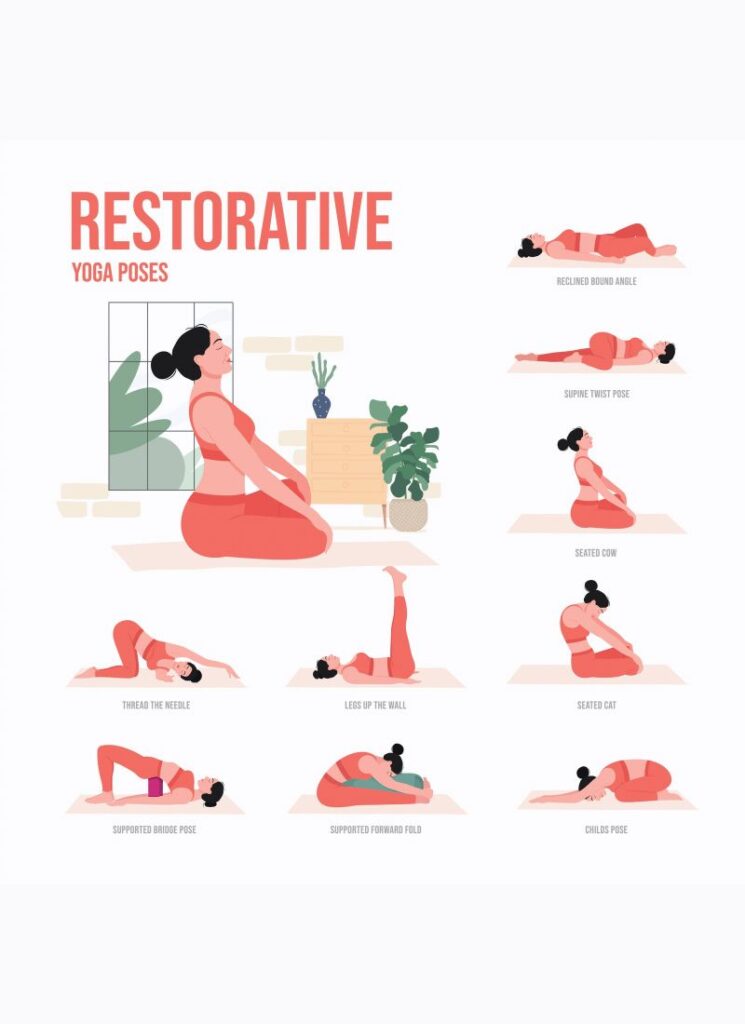
Combining Both Practices
You don’t have to choose just one style. Indeed, many students practice both. Moreover, they offer different gifts. Therefore, together, they provide comprehensive care.
You might do Yin yoga twice a week. Then, add one Restorative session. Additionally, adjust based on your needs. Therefore, listen to what your body asks for.
Some studios offer combination classes. Therefore, these blend elements of both styles. Consequently, you get stretching and restoration in one session.
Tips for Starting Your Practice
Finding Qualified Teachers
Look for teachers with specialized training. Indeed, Yin and Restorative yoga require specific knowledge. However, not all yoga teachers have this training. Therefore, ask about their credentials before taking class.
Many studios list teacher specialties online. Therefore, read teacher bios carefully. Moreover, look for training with recognized schools. Indeed, Sarah Powers, Bernie Clark, and Judith Lasater are respected names.
Gathering Essential Props
You can practice at home with basic props. For Yin yoga, you need two blocks and a blanket. Additionally, a bolster is helpful but optional. However, for Restorative yoga, you’ll want more props.
Invest in a good bolster for Restorative practice. Furthermore, get several blankets for layering. Moreover, eye pillows enhance relaxation. Additionally, a strap helps with some poses. Indeed, many yoga shops offer prop packages.
Creating Your Home Practice Space
Set up a quiet, comfortable area. Therefore, make sure the temperature is comfortable. Moreover, keep your props nearby. Additionally, dim the lights or use candles.
Eliminate distractions. First, turn off your phone. Then, tell family members you need quiet time. Indeed, even twenty minutes of practice makes a difference.
Building a Sustainable Routine
Start small and be consistent. Indeed, even one class per week helps. Therefore, don’t push yourself to do more than feels good. Moreover, these practices should never feel like obligations.
Notice how you feel after practice. Additionally, track changes in your sleep and stress levels. Therefore, this awareness helps you stay motivated. Furthermore, celebrate small improvements.
Respecting Your Body’s Limits
Never force anything in either practice. Indeed, pain signals a problem. Therefore, back off if something hurts. Moreover, these gentle practices should always feel safe.
Talk with your doctor about any health concerns. Indeed, certain conditions require modifications. Therefore, a qualified teacher can help adapt poses for your needs.
Common Misconceptions About Both Practices
“These Practices Are Too Easy”
Many people dismiss gentle yoga styles. Indeed, they think real yoga requires sweat and effort. However, this misunderstanding keeps people from experiencing profound benefits.
Yin and Restorative yoga challenge you differently. Therefore, holding still for minutes is hard. Moreover, facing your thoughts takes courage. Furthermore, surrendering control requires strength. Indeed, these practices are simple but not easy.
“I’m Too Young for These Styles”
Young, healthy people often skip gentle practices. Indeed, they assume these styles are only for older students. However, this couldn’t be further from the truth.
Everyone needs balance between effort and rest. Therefore, young bodies recover better with Restorative yoga. Moreover, active people prevent injuries with Yin yoga. Consequently, these practices benefit all ages.
“I’m Not Flexible Enough”
Some people avoid Yin yoga because they’re tight. Indeed, they think flexibility is a prerequisite. However, actually, tight people need Yin yoga most.
Props help you access poses regardless of flexibility. Therefore, you work with your current range of motion. Moreover, the practice gradually increases your flexibility safely.
“I’ll Fall Asleep in Restorative Yoga”
Falling asleep occasionally is normal. Indeed, it means you needed rest. However, the goal is conscious relaxation. Therefore, you stay awake but deeply relaxed.
Teachers help you stay present. Moreover, eye pillows keep your gaze inward. Therefore, the experience differs from sleep. Indeed, you remain aware while your body rests completely.
Conclusion
Yin and Restorative yoga both offer precious gifts. Indeed, they teach us that slowing down has value. Therefore, rest and stillness are not luxuries. Instead, they’re essential for health and happiness.
Yin yoga stretches your deep connective tissues. Therefore, it increases flexibility and stimulates energy flow. Moreover, the practice balances active lifestyles. Furthermore, it prepares your body for meditation. Indeed, you build patience and learn to sit with discomfort.
Restorative yoga provides complete rest and recovery. Therefore, it heals your nervous system. Moreover, the practice reduces stress and anxiety. Furthermore, it supports you during difficult times. Indeed, you learn that surrender is a form of strength.
Both practices complement each other beautifully. Additionally, they also enhance more active yoga styles. Therefore, understanding their differences helps you choose wisely. Consequently, you can pick the practice that matches your needs.
Consider trying both styles. Therefore, experience them in your own body. Moreover, notice what shifts. Additionally, pay attention to how you feel afterward. Consequently, let your direct experience guide your choices.
Whether you need stretching or rest, these practices welcome you. Indeed, they meet you exactly where you are. Therefore, no pressure to perform or achieve. Instead, just you, your breath, and a sacred space.
Start your journey with Yin or Restorative yoga today. Therefore, your body and mind will thank you. Indeed, the peace you cultivate will ripple into your daily life.
Frequently Asked Questions
Can I practice Yin and Restorative yoga on the same day?
Yes, you absolutely can practice both. Indeed, many students enjoy this combination. For instance, you might do Yin yoga in the morning. Then, practice Restorative yoga in the evening. Therefore, the two styles complement each other beautifully.
Just make sure to give yourself enough time. Furthermore, don’t rush through either one. Moreover, listen to your body’s energy levels. Indeed, some days you might need more rest than stretching.
Do I need to be flexible to start Yin or Restorative yoga?
No, you don’t need any flexibility. Indeed, these styles are perfect for tight bodies. Moreover, props help you access every pose comfortably. Therefore, in Yin yoga, you work within your current range.
The practice gradually increases your flexibility. Furthermore, in Restorative yoga, props provide complete support. Therefore, your teacher will help you modify poses. Consequently, everyone can practice these gentle styles safely.
How often should I practice Yin or Restorative yoga?
The frequency depends on your needs. For Yin yoga, two to three times per week works well. Therefore, this gives your tissues time to adapt. However, for Restorative yoga, you can practice more often.
Some people do it daily. Indeed, especially during stressful times. However, even once a week provides benefits. Therefore, start with what feels manageable. Moreover, consistency matters more than frequency.
Will Yin or Restorative yoga help me lose weight?
These practices don’t burn many calories. Indeed, they’re not designed for weight loss. However, they support overall health. Therefore, Yin and Restorative yoga reduce stress. Moreover, high stress disrupts metabolism.
The practices improve sleep quality. Furthermore, poor sleep affects weight regulation. Additionally, they increase body awareness. Therefore, you become more attuned to hunger signals. Indeed, think of these practices as part of comprehensive wellness.
Can I practice Yin or Restorative yoga if I have injuries?
Often yes, but always check with your doctor first. Indeed, both practices can support injury recovery. Moreover, Restorative yoga is especially gentle. Therefore, the complete support prevents strain.
Yin yoga requires more caution with injuries. Indeed, some poses might stress injured areas. Therefore, work with an experienced teacher. Moreover, they can modify poses appropriately. Furthermore, never push into pain. Indeed, these practices should always feel safe.