
Yoga is a wonderful practice that helps people feel better in their bodies and minds. Whether someone teaches yoga or practices at home, having a good plan makes everything work better. A 60 minute yoga sequence PDF is like a roadmap that guides the entire practice from start to finish.
Many yoga teachers spend hours planning their classes. They want to make sure students get the best experience possible. A well-designed sequence helps everyone move safely through different poses while building strength and flexibility. The right plan also makes sure there’s enough time for warm-up, challenging poses, and relaxation at the end.
This guide will show anyone how to create a complete 60-minute yoga sequence. The information here works for both new teachers and experienced instructors. By following these steps, anyone can build a class that flows smoothly and helps students feel amazing when they finish.
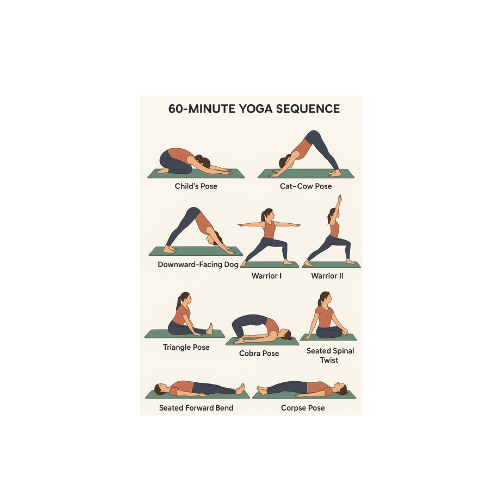
1. Steps of Yoga: Follow a Yoga Sequence Template
Creating a yoga class from scratch can feel overwhelming at first. That’s why using a template makes the job so much easier. A template is like a recipe that shows all the ingredients needed for a successful class.
Why Templates Help So Much
Templates save time and reduce stress for yoga teachers. Instead of starting with a blank page, teachers can follow a proven structure that works. This means more time to focus on students instead of worrying about what comes next. Templates also help maintain balance in the class so students work all parts of their body.
Basic Structure of a 60-Minute Class
Every good yoga sequence follows a similar pattern. The class typically starts gentle and gradually builds up to more challenging poses. Then it winds back down before ending in relaxation. This structure helps the body prepare for movement and recover afterward.
Here’s how most 60-minute classes break down:
- Opening and centering: 5 minutes
- Warm-up movements: 10 minutes
- Standing poses and main work: 30 minutes
- Cool-down stretches: 10 minutes
- Final relaxation: 5 minutes
Creating Your Own Template
Teachers can start with a basic template and adjust it based on their students’ needs. Some classes might need more warm-up time while others focus on building strength. The key is keeping the overall structure while making small changes that fit the group.
A good template includes notes about breathing cues and modifications. This helps teachers remember important details during class. Writing everything down also makes it easier to repeat successful sequences or share ideas with other teachers.
2. Have a Warm Up for Your Traditional Yoga Sequence
The warm-up is one of the most important parts of any yoga class. This is when bodies wake up and get ready for more challenging work. Skipping the warm-up can lead to injuries or uncomfortable experiences for students.
Why Warming Up Matters
Cold muscles don’t stretch as well as warm ones. When people jump straight into deep poses without warming up, they risk pulling muscles or straining joints. A proper warm-up increases blood flow and makes the body more flexible and ready to move.
The warm-up also gives students time to transition from their busy day into yoga practice. Many people arrive at class feeling stressed or distracted. Gentle movements help them shift their focus inward and become present on their mat.
Best Warm-Up Movements
Starting with simple movements works best for most students. Cat-cow stretches are perfect because they warm up the spine and connect movement with breath. These gentle motions help people tune into how their body feels that day.
Child’s pose is another excellent warm-up position. It stretches the back body gently while allowing students to take deep breaths. This pose also helps calm the nervous system and prepare the mind for practice.
Other effective warm-up poses include:
- Gentle neck rolls and shoulder circles
- Seated side stretches
- Wrist and ankle rotations
- Slow spinal twists while seated
How Long Should Warm-Up Last
A good warm-up for a 60-minute class takes about 10 minutes. This gives enough time to move all major joints and muscle groups. Teachers can adjust this timing based on the room temperature and student experience level. On cold days or with beginners, a longer warm-up might be necessary.
3. Yoga Levels: Focus on Standing Poses
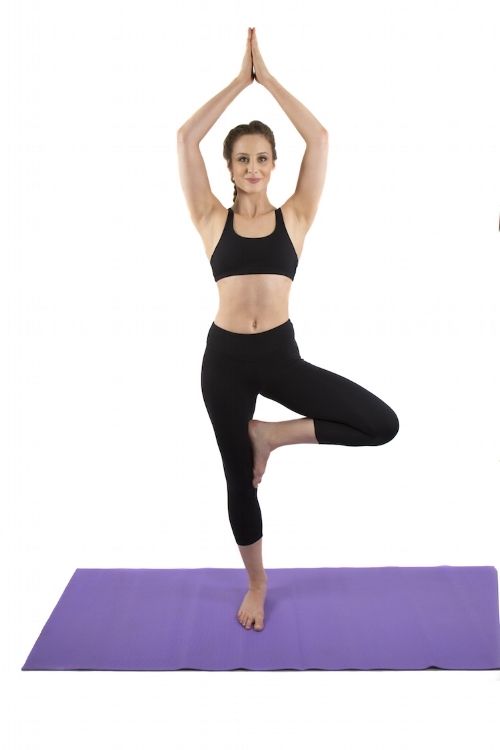
Standing poses form the foundation of most yoga practices. These poses build strength, improve balance, and create stability throughout the body. In a 60-minute sequence, standing poses usually take up the largest portion of class time.
Why Standing Poses Are So Important
Standing poses teach students how to ground through their feet and engage their legs. This creates a stable base that supports the rest of the body. Strong legs and good balance help in daily activities like walking, climbing stairs, and carrying groceries.
These poses also build mental focus and concentration. Balancing on one foot or holding a warrior pose requires attention and determination. Students learn to stay calm even when poses feel challenging.
Essential Standing Poses for Every Level
Mountain pose might look simple, but it’s actually very powerful. This pose teaches proper alignment and helps students find their center. Starting with mountain pose gives everyone a moment to check in with their posture and breathing.
Warrior poses are excellent for building leg strength and opening the hips. Warrior I, Warrior II, and Warrior III each offer different benefits. These poses also help students feel strong and confident in their practice.
Triangle pose stretches the side body while strengthening the legs. This pose improves flexibility in the hamstrings and opens the chest for better breathing. Many students find triangle pose challenging at first but love how it makes them feel afterward.
Sequencing Standing Poses Effectively
The order of standing poses matters for safety and effectiveness. Generally, teachers should start with simpler poses and gradually add more complex movements. This builds heat and prepares the body for peak poses later in class.
Moving between standing poses should feel smooth and natural. Transitions are just as important as the poses themselves. Good transitions help maintain the flow of the class and keep students engaged in their practice.
For a 60-minute class, plan to spend about 30 minutes on standing work. This includes sun salutations, individual standing poses, and transitions between them. This timing allows enough repetition to build strength without exhausting students.
4. Teach to a Peak Pose
Teaching to a peak pose gives the entire class a clear direction and purpose. The peak pose is the most challenging or complex pose in the sequence. Everything before it prepares the body and everything after allows recovery.
What Is a Peak Pose
A peak pose is the main event of the yoga class. It’s usually an advanced posture that requires preparation through simpler poses. Examples include backbends like wheel pose, arm balances like crow pose, or deep hip openers like pigeon pose.
The peak pose doesn’t have to be extremely difficult. For a gentle class, the peak might be a moderate stretch or balance. The key is choosing something that challenges students appropriately for their level.
Planning Around the Peak Pose
Once teachers choose a peak pose, they work backwards to plan the rest of class. Every warm-up movement and standing pose should prepare students for the peak pose. This creates a logical progression that makes sense to the body.
For example, if the peak pose is wheel pose (a deep backbend), the class needs plenty of chest and shoulder opening. The sequence might include cobra pose, bridge pose, and camel pose leading up to wheel. Each pose builds on the previous one, gradually increasing the intensity.
Preparing Students Safely
Safety comes first when teaching to a peak pose. Not every student will be ready for the full expression of the pose. Teachers should always offer modifications and alternatives so everyone can participate safely.
Breaking down the peak pose into smaller parts helps students understand it better. Explaining which muscles to engage and how to protect the joints prevents injuries. Demonstrations and hands-on adjustments (when appropriate) also help students find proper alignment.
Students should never feel pressured to attempt the peak pose if their body isn’t ready. Emphasizing that yoga is not about perfection helps create a supportive environment. Some days a modification is the best choice, and that’s perfectly okay.
Yoga Sequence Books
Many excellent books help teachers plan their yoga sequences. These resources provide inspiration, detailed instructions, and creative ideas for classes. Having a good reference library supports ongoing learning and development as a teacher.
Top Books for Sequence Planning
“The Art and Business of Teaching Yoga” by Amy Ippoliti and Taro Smith offers practical guidance for new teachers. This book covers not just sequencing but also how to build a successful yoga career. The sequence templates inside are especially helpful for planning themed classes.
“Yoga Sequencing” by Mark Stephens is considered the gold standard for sequence planning. This comprehensive book includes hundreds of pose variations and detailed anatomical information. Teachers can find sequences for every level and style of yoga.
“The Yoga Handbook” by Noa Belling provides clear photos and instructions for individual poses. While not focused solely on sequencing, this book helps teachers understand proper alignment. Good alignment knowledge is essential for creating safe and effective sequences.
Using Books as Learning Tools
Books work best when teachers don’t just copy sequences exactly. Instead, they should study the principles behind good sequencing and apply them creatively. Understanding why poses are ordered in certain ways helps teachers design their own unique classes.
Reading about anatomy and alignment improves teaching skills tremendously. When teachers understand how poses affect the body, they can make better choices for their students. This knowledge also helps when answering student questions or offering modifications.
5. Have a True Wind Down
The wind-down portion of class is just as important as the beginning and middle. This is when the body starts to relax and integrate all the work done during practice. Rushing through the wind-down or skipping it entirely cheats students out of important benefits.
Why Wind Down Matters
After working hard through standing poses and peak poses, the nervous system needs time to shift gears. Moving straight from challenging poses to lying down can feel jarring. A gradual cool-down helps the body transition smoothly into relaxation.
The wind-down also prevents soreness and stiffness after class. Gentle stretches help release tension that builds up during stronger poses. This makes students feel better immediately and in the days following class.
Best Poses for Cooling Down
Seated forward folds are perfect for winding down because they’re naturally calming. These poses stretch the back body gently while encouraging deep breathing. Students can stay in forward folds for several breaths, allowing the body to release fully.
Gentle twists help restore neutral alignment to the spine after all the bending and stretching. Twists also aid digestion and create a sense of wringing out tension. Teachers can offer twists while students sit or lie down.
Hip openers like pigeon pose or reclined figure-four stretch help release stored tension. Many people hold stress in their hips without realizing it. These stretches often bring emotional release along with physical relief.
The Importance of Savasana
Every yoga class should end with savasana, also called corpse pose or final relaxation. This is when students lie flat on their backs and completely relax. Savasana allows the body and mind to absorb all the benefits of practice.
Many students say savasana is their favorite part of class. After all the effort and focus, lying still and doing nothing feels amazing. Some people even fall asleep during savasana, which shows how deeply relaxed they become.
Teachers should give students at least 5 minutes for savasana. Longer is even better if time allows. Playing gentle music or guiding a short meditation can enhance the relaxation experience. The class shouldn’t end abruptly – give students time to slowly wake up and transition back to their day.
Closing the Class Properly
After savasana, guide students to wake up slowly. Invite them to wiggle their fingers and toes, then roll to one side before sitting up. This gentle transition prevents dizziness and maintains the peaceful feeling created during practice.
Many classes end with students sitting in a comfortable position, bringing their hands together at their heart. A simple thank you or closing phrase acknowledges the practice and creates a sense of completion. This ritual helps students carry the benefits of yoga into the rest of their day.
Creating Your 60 Minute Yoga Sequence PDF
Once teachers understand the components of a good class, they can create their own PDF document. Having a written sequence serves as a helpful guide during class. It also creates a library of sequences to use and modify over time.
What to Include in Your PDF
A complete sequence PDF should list every pose in order from start to finish. Include the Sanskrit names if desired, but English names work perfectly fine too. Adding stick figures or photos helps remember what each pose looks like.
Timing notes are extremely helpful during class. Mark how long to hold each pose or how many breaths to take. This prevents spending too much time on one section and rushing through others.
Include verbal cues and teaching points in the PDF. These reminders help deliver clear instructions to students. Notes about common mistakes or important alignment cues ensure nothing gets forgotten during class.
Formatting Tips for Easy Reading
Keep the format simple and easy to read at a glance. Use clear headings for each section like “Warm-Up,” “Standing Poses,” and “Cool-Down.” This makes it easy to know where the class is in the sequence.
Consider using different colors or highlighting for different types of information. For example, pose names could be in one color while timing notes are in another. This visual organization helps teachers find information quickly while teaching.
Number each pose in the sequence. This creates a clear path through the class and makes it easy to track progress. If teaching the same sequence multiple times, numbering helps repeat it consistently.
Sharing and Storing Your Sequences
Save sequence PDFs in an organized folder on the computer or cloud storage. Label each file clearly with the date, theme, or level. Good organization makes it easy to find and reuse favorite sequences later.
Some teachers like to share their sequences with students after class. This allows students to practice at home using the same structure. Sharing also shows students that planning and preparation go into every class.
Consider creating a master template that can be modified for different classes. This saves time and ensures all sequences follow a similar structure. Templates also make it easier to plan classes when feeling less creative or running short on time.
Tips for Teaching Your 60-Minute Sequence
Having a great sequence on paper is just the beginning. Teaching it effectively requires practice, presence, and flexibility. The best teachers can follow their plan while also responding to what students need in the moment.
Practicing the Sequence Yourself
Always practice a new sequence before teaching it. This helps catch any awkward transitions or poses that don’t flow well together. Practicing also builds confidence and allows memorization of the key points.
Time yourself while practicing to make sure the sequence fits in 60 minutes. It’s easy to plan more content than actually fits in the available time. Better to have slightly less content than to rush through everything.
Staying Present While Teaching
While the PDF provides a helpful guide, teachers shouldn’t spend the whole class reading from it. Memorize the general flow and refer to notes only when needed. This allows more eye contact and connection with students.
Watch students carefully throughout class to see how they’re doing. If everyone looks exhausted, it might be time to slow down. If the class seems bored, adding a challenge or variation can boost energy.
Be willing to modify the plan based on what students need. Sometimes the planned peak pose isn’t appropriate for everyone in class that day. Good teachers can adjust on the fly while maintaining a safe and effective practice.
Building Teaching Confidence
Every teacher feels nervous sometimes, especially when trying a new sequence. Remember that students appreciate effort and genuine care more than perfection. Making mistakes is part of learning and growing as a teacher.
Getting feedback from students helps improve teaching skills. Ask what they enjoyed or what felt challenging. This information guides future planning and helps teachers understand their students better.
Teaching the same sequence multiple times builds confidence and allows refinement. Notice what works well and what could be improved. Each time teaching a sequence, it gets easier and more natural.
Common Mistakes to Avoid
Even experienced teachers sometimes make mistakes when planning sequences. Being aware of common pitfalls helps create better, safer classes for students.
Overpacking the Sequence
One of the biggest mistakes is trying to fit too many poses into 60 minutes. This leads to rushing through everything without giving students time to experience each pose. Quality matters more than quantity in yoga practice.
A good rule is planning fewer poses than seems necessary. This leaves room for extra breaths, demonstrations, and modifications. Students appreciate having time to settle into poses rather than constantly moving.
Neglecting Balance
Every sequence should include a variety of movements and pose types. If the class focuses only on forward bends, students miss out on the benefits of backbends and twists. Balance creates a complete practice that works the whole body.
Make sure to work both sides of the body equally. If students do a standing balance on the right leg, they need to do it on the left too. This prevents imbalances and ensures even development.
Forgetting About Breath
Yoga is about connecting movement with breath, not just doing poses. Teachers sometimes focus so much on alignment that they forget to cue breathing. Regular breath reminders help students stay present and get more benefits from practice.
Encourage students to breathe deeply and fully throughout class. When poses get challenging, people often hold their breath without realizing it. Reminding students to breathe helps them relax and go deeper safely.
Skipping Modifications
Not every student can do every pose the same way. Teachers must offer modifications and alternatives so everyone can participate. Assuming all students have the same abilities can lead to injuries or students feeling left out.
Demonstrate modifications with the same enthusiasm as full poses. This shows that modifications are valid choices, not lesser versions. Everyone benefits when teachers create an inclusive environment where all bodies are welcome.
Conclusion
Creating a 60 minute yoga sequence PDF takes thought, planning, and practice. But the effort pays off with better classes that students love and benefit from. Following a clear structure helps teachers feel confident and allows students to get the most from their practice.
Remember to start with a good warm-up that prepares the body safely. Build through standing poses toward a peak pose that challenges students appropriately. Then wind down gradually before ending with a proper savasana. This tried-and-true structure works for yoga classes of all styles and levels.
The best sequences balance challenge with safety and include something for every part of the body. Teachers who plan carefully and stay present during class create wonderful experiences for their students. Over time, sequencing becomes easier and more intuitive as teaching skills develop.
Keep learning, experimenting, and refining sequences based on student feedback. Every class is an opportunity to improve and try new ideas. With practice and dedication, any teacher can create amazing 60-minute yoga sequences that help students feel strong, flexible, and peaceful.
Frequently Asked Questions
How long should each section of a 60-minute yoga class be?
A typical 60-minute class includes about 5 minutes for opening and centering, 10 minutes for warm-up, 30 minutes for standing poses and peak work, 10 minutes for cool-down, and 5 minutes for final relaxation. These times can be adjusted slightly based on the class focus and student needs.
What makes a good peak pose for a yoga sequence?
A good peak pose challenges students appropriately for their level while building on the preparation poses that came before. It should be the most complex or intense pose in the class. Examples include backbends like wheel pose, arm balances like crow, or deep stretches like splits. The peak pose should match the class theme and student abilities.
Can beginners use a 60-minute yoga sequence PDF?
Yes, beginners can definitely use a 60-minute sequence if it’s designed for their level. The sequence should include plenty of modifications and focus on foundational poses. Beginners benefit from clear instructions and a slower pace that allows time to learn proper alignment. Look for sequences labeled “beginner” or “gentle” when starting out.
How many different poses should be in a 60-minute sequence?
Most 60-minute sequences include between 20 to 30 different poses, though this can vary. Quality matters more than quantity – it’s better to hold fewer poses longer than rush through many poses quickly. The sequence should flow smoothly and give students time to experience each position fully.
Should I practice a new sequence before teaching it?
Absolutely yes! Always practice a new sequence before teaching it to students. This helps identify any awkward transitions, check the timing, and memorize the flow. Practicing builds teaching confidence and ensures the sequence is safe and effective. Most experienced teachers practice their sequences at least once before class.